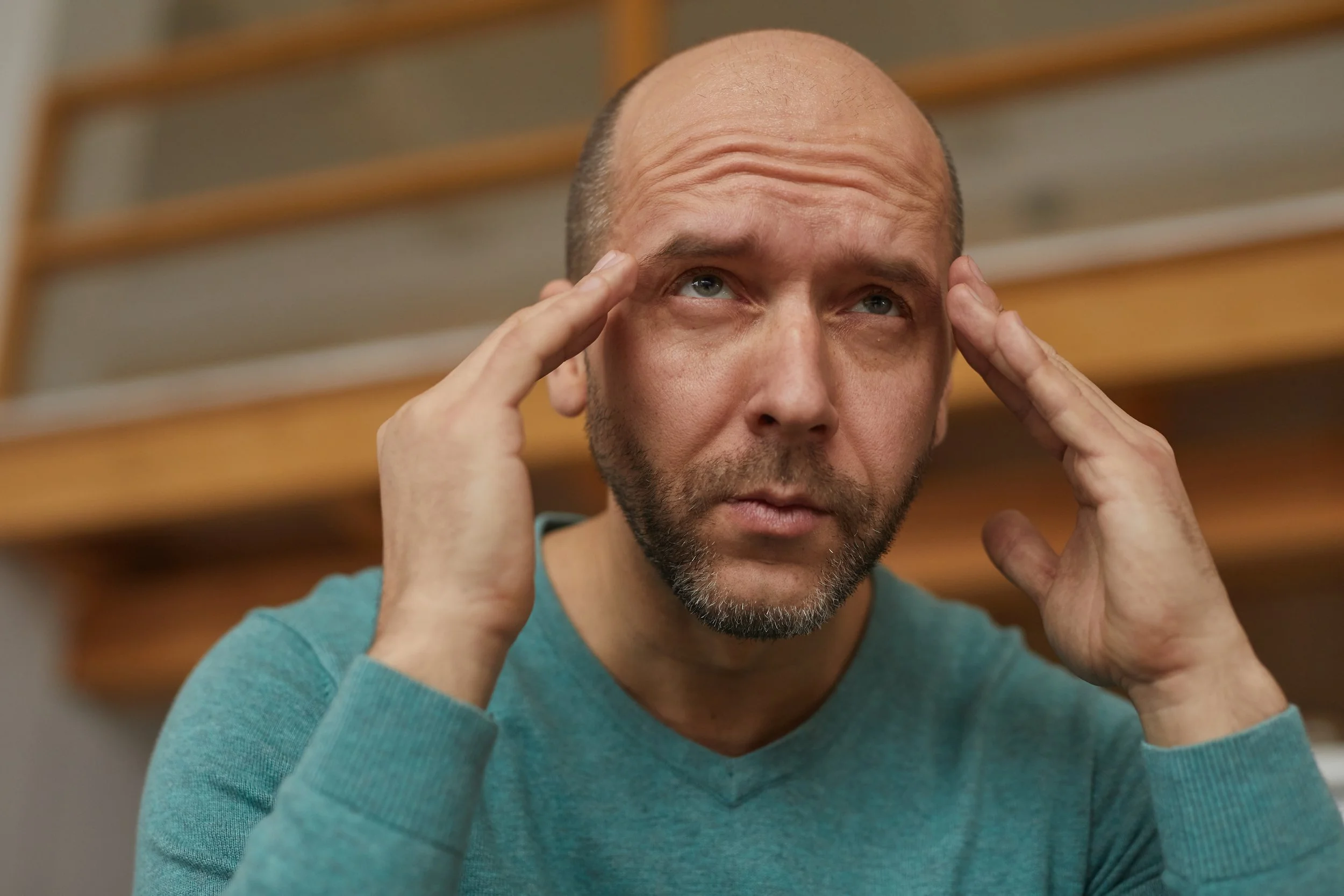
Why Stress Is One of the Fastest Ways to Lower Testosterone

Many men associate low testosterone with aging, poor diet, or lack of exercise. While these factors certainly play a role, one of the most powerful and often overlooked causes of declining testosterone is chronic stress. In today's fast-paced world, stress has become a constant companion for many men, silently disrupting hormone production and impacting overall health.
If you have been feeling tired, unmotivated, experiencing reduced muscle mass, low libido, or difficulty concentrating, stress may be affecting your hormone levels more than you realize. Understanding the relationship between stress, cortisol, and testosterone is essential for achieving long-term hormonal health and effective testosterone optimization.
Understanding the Relationship Between Stress and Testosterone
When the body encounters stress, it activates a survival mechanism known as the "fight or flight" response. During this process, the adrenal glands release cortisol, often referred to as the stress hormone.
Cortisol plays an important role in helping the body respond to immediate threats. It increases blood sugar, enhances alertness, and directs energy toward essential survival functions. While short-term cortisol elevation is normal and beneficial, chronic stress causes cortisol levels to remain elevated for extended periods.
Research has consistently shown that prolonged cortisol elevation can significantly suppress testosterone production. This hormonal imbalance can create a cascade of physical and mental health challenges that affect nearly every aspect of a man's well-being.
How Cortisol Suppresses Testosterone Production
The body's hormone system functions through a delicate network known as the hypothalamic-pituitary-gonadal axis. This system regulates testosterone production and reproductive health.
When cortisol levels remain elevated, several things happen:
Reduced Hormone Signaling
High cortisol interferes with the signals sent from the brain to the testes. Specifically, cortisol can reduce the release of luteinizing hormone, which is necessary for stimulating testosterone production.
Without proper signaling, testosterone production naturally declines.
Competition for Resources
Both cortisol and testosterone are steroid hormones derived from cholesterol. During periods of chronic stress, the body prioritizes cortisol production because it views stress management as a survival necessity.
As a result, fewer resources are available for testosterone synthesis.
Increased Inflammation
Chronic stress contributes to systemic inflammation throughout the body. Inflammatory markers have been linked to lower testosterone levels and impaired testicular function.
Over time, this creates an environment that makes healthy testosterone production increasingly difficult.
The Real-World Effects of Low Testosterone Caused by Stress
When stress suppresses testosterone, the effects can be far-reaching.
Many men experience:
Persistent fatigue
Reduced muscle strength
Increased body fat
Lower libido
Mood changes and irritability
Brain fog and poor concentration
Reduced motivation
Difficulty recovering from exercise
These symptoms often develop gradually, making them easy to dismiss as part of aging. However, many men discover that stress-induced hormonal imbalances are at the root of their struggles.
This is why comprehensive testosterone optimization focuses not only on testosterone levels themselves but also on addressing the lifestyle factors that contribute to hormone disruption.
Why Modern Life Creates a Perfect Storm
Today's lifestyle presents numerous challenges that can elevate cortisol levels.
Common stressors include:
Work Pressure
Long hours, deadlines, financial concerns, and job insecurity can keep the body's stress response activated throughout the day.
Poor Sleep
Sleep deprivation increases cortisol production while simultaneously reducing testosterone levels. Studies have shown that even a few nights of inadequate sleep can significantly impact hormone balance.
Overtraining
While exercise is beneficial, excessive training without proper recovery can increase cortisol and suppress testosterone production.
Emotional Stress
Relationship difficulties, family responsibilities, and personal challenges all contribute to chronic stress and hormonal disruption.
The combination of these factors creates a hormonal environment that works against optimal testosterone production.
Can Testosterone Levels Recover?
The good news is that many men can improve their hormone health by reducing stress and adopting healthier lifestyle habits.
Effective strategies include:
Prioritizing quality sleep
Maintaining regular exercise without overtraining
Practicing mindfulness and stress management techniques
Eating a nutrient-dense diet
Limiting alcohol consumption
Creating healthy work-life boundaries
However, for some men, especially those who have experienced prolonged hormonal suppression, lifestyle changes alone may not be enough.
In these cases, working with a qualified healthcare provider can help determine whether testosterone replacement therapy is appropriate.
How a Telehealth TRT Program Can Help
One of the most significant advancements in men's health care is the rise of the telehealth TRT program. These programs make it easier than ever for men to access professional hormone evaluation and treatment from the comfort of home.
A quality telehealth TRT program typically includes comprehensive lab testing, physician consultations, personalized treatment plans, and ongoing monitoring.
For busy professionals and men living in areas with limited access to hormone specialists, a telehealth TRT program provides a convenient and effective solution.
By addressing both hormone deficiencies and contributing lifestyle factors, these programs support long-term testosterone optimization and overall wellness.
Choosing an Online TRT Clinic
As demand for hormone therapy continues to grow, many men are exploring options through an online TRT clinic.
A reputable online TRT clinic offers medical oversight, evidence-based treatment protocols, and personalized care rather than a one-size-fits-all approach.
When evaluating an online TRT clinic, consider factors such as physician expertise, diagnostic testing, follow-up care, and patient education.
The goal should always be restoring healthy hormone balance safely and effectively while addressing the underlying causes of low testosterone.
Finding the Best Online Testosterone Clinic
Not all providers deliver the same level of care. The best online testosterone clinic focuses on comprehensive health rather than simply prescribing medication.
The best online testosterone clinic will evaluate your complete hormonal profile, lifestyle habits, sleep quality, stress levels, and long-term health goals.
Additionally, the best online testosterone clinic will provide ongoing monitoring to ensure treatment remains both safe and effective.
A personalized approach often produces better outcomes than simply targeting a specific testosterone number.
Why Testosterone Optimization Requires More Than TRT
Many men assume testosterone therapy alone is the answer, but true testosterone optimization involves a broader strategy.
Successful testosterone optimization combines medical treatment when necessary with improvements in sleep, nutrition, exercise, stress management, and overall lifestyle habits.
This holistic approach helps support natural hormone function while maximizing the benefits of treatment.
Whether you're pursuing lifestyle interventions or working with an online TRT clinic, the goal of testosterone optimization should be sustainable, long-term health.
The Balanced Man Approach to Hormonal Health
At The Balanced Man, the focus extends beyond simply increasing testosterone levels. True wellness comes from understanding the root causes of hormonal imbalance and creating a personalized plan for lasting improvement.
By addressing stress, sleep quality, nutrition, fitness, and hormone health together, men can achieve meaningful testosterone optimization and experience greater energy, confidence, and vitality.
Whether you're considering a telehealth TRT program, researching an online TRT clinic, or searching for the best online testosterone clinic, taking action today can help prevent years of unnecessary symptoms and frustration.
Final Thoughts
Stress is one of the fastest and most powerful suppressors of testosterone production. Through its effects on cortisol, chronic stress can disrupt hormone signaling, reduce testosterone synthesis, and contribute to a wide range of physical and mental symptoms.
The encouraging news is that effective solutions exist. By managing stress, improving lifestyle habits, and seeking professional support when necessary, men can restore hormonal balance and improve overall well-being.
If symptoms of low testosterone are affecting your quality of life, now may be the perfect time to explore testosterone optimization through a trusted telehealth TRT program, a reputable online TRT clinic, or the best online testosterone clinic that aligns with your health goals.
The path to better health begins with understanding the powerful connection between stress and testosterone.