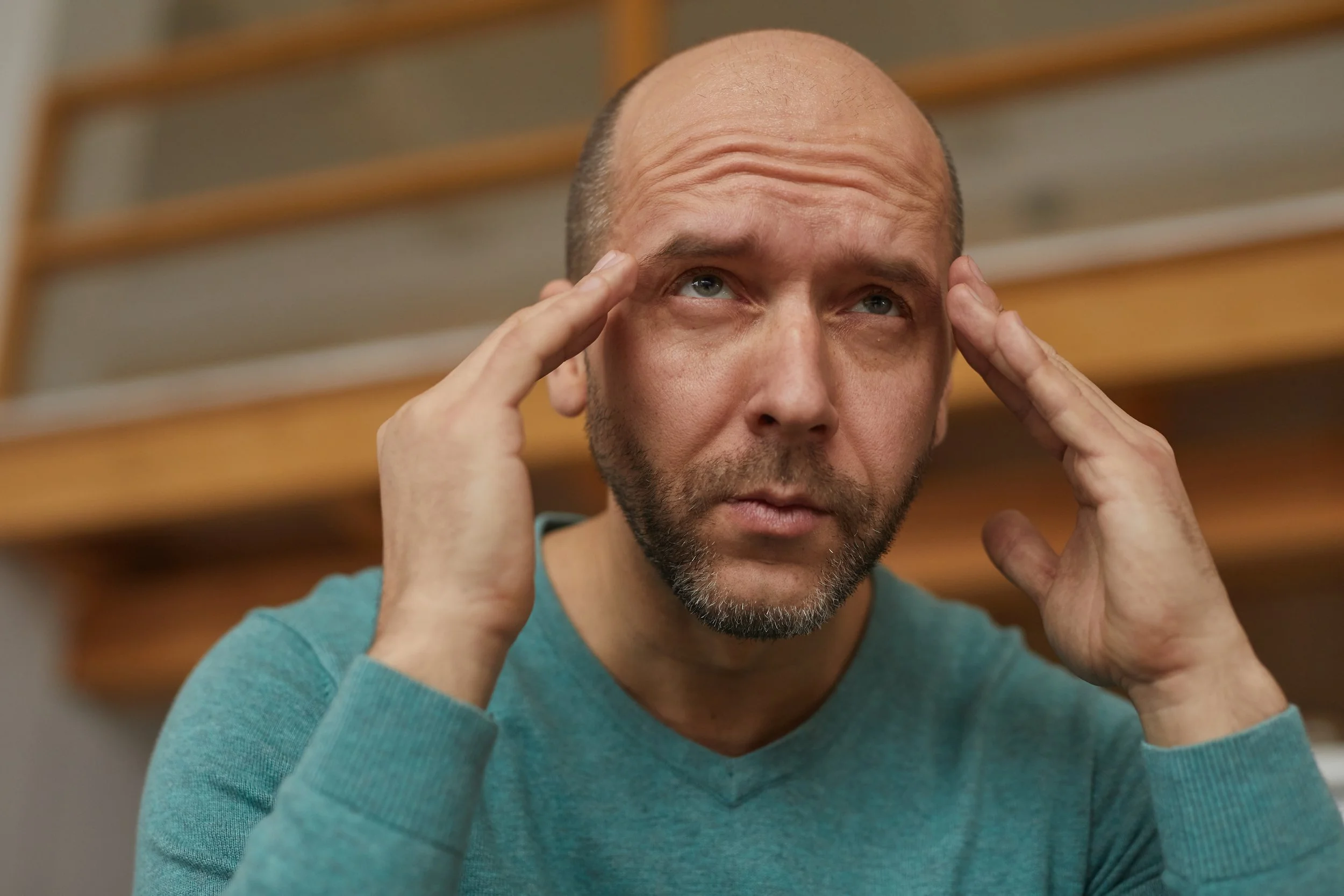
Why Fatigue in Men Is Often Misattributed to Age Alone
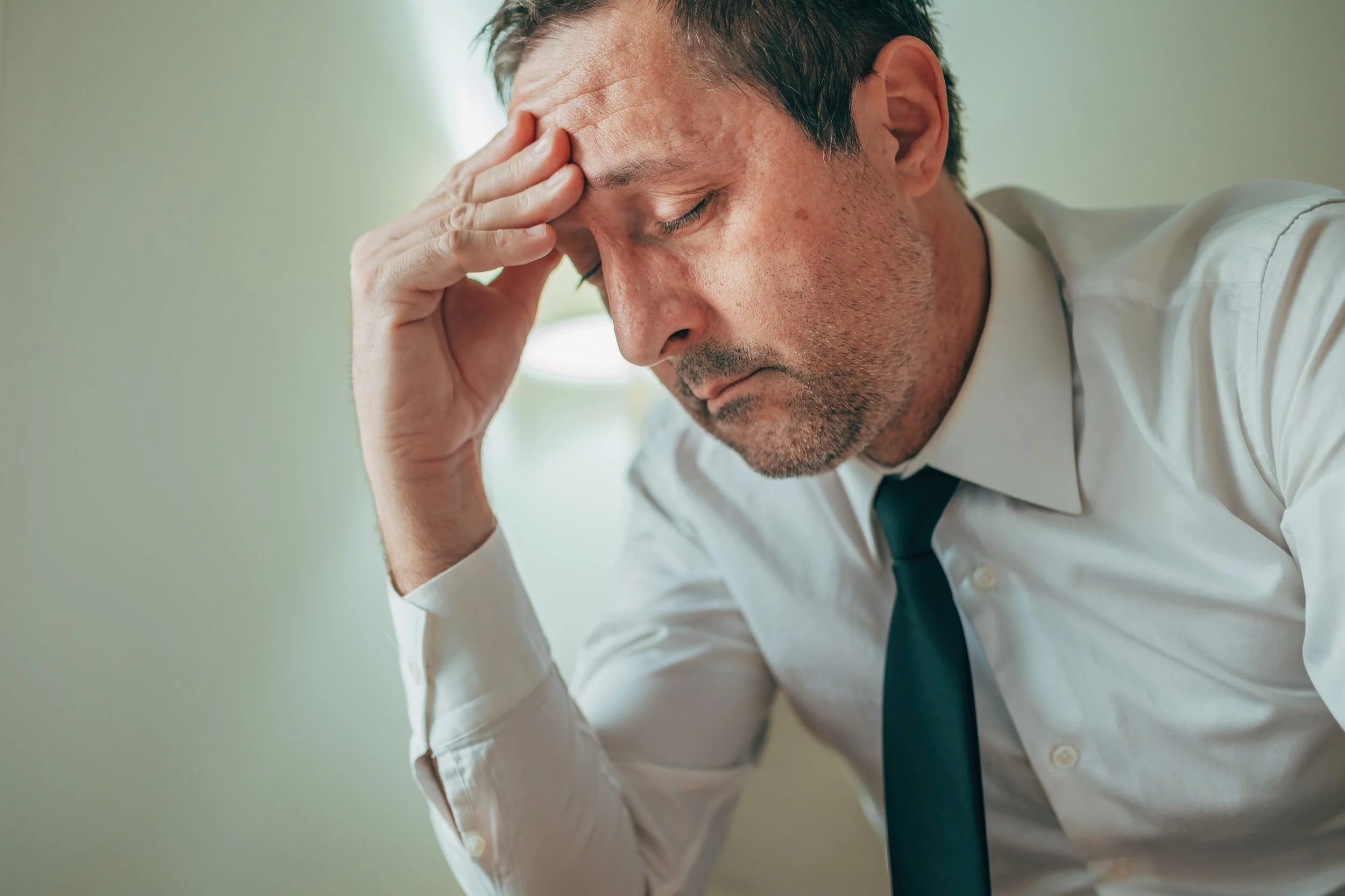
Feeling tired all the time is something many men assume comes with getting older. It is common to hear phrases like, "I'm just getting older," or "This is what happens after 40." While aging does bring natural changes to the body, persistent fatigue should never be dismissed as an unavoidable part of life.
In many cases, ongoing exhaustion is linked to declining testosterone levels rather than age alone. Lifestyle factors such as poor sleep, chronic stress, unhealthy eating habits, and lack of exercise also contribute significantly. The challenge is that hormonal decline and lifestyle fatigue often produce similar symptoms, making it difficult to determine the true cause without proper evaluation.
Understanding the difference can help men regain their energy, improve their health, and explore effective solutions such as a telehealth TRT program offered by trusted providers like The Balanced Man.
Why Fatigue Is Not Always About Getting Older
As men age, testosterone levels naturally decline by approximately 1 percent per year beginning around age 30 to 40. However, not every man experiences symptoms, and not every case of fatigue is simply the result of aging.
Low testosterone affects numerous systems throughout the body because testosterone influences:
Energy production
Muscle strength
Mood regulation
Brain function
Sleep quality
Red blood cell production
Metabolism
When testosterone drops below healthy levels, fatigue often becomes one of the earliest and most noticeable symptoms.
Many men mistakenly believe that being tired every day is just part of middle age when, in reality, hormone imbalance may be playing a significant role.
Lifestyle Fatigue vs Hormonal Fatigue
One reason fatigue is frequently misattributed is because both lifestyle habits and hormone deficiencies produce similar symptoms.
Lifestyle-related fatigue often includes:
Inconsistent sleep
High stress
Poor nutrition
Excessive alcohol consumption
Sedentary behavior
Long work hours
These issues often improve when healthier habits are adopted.
Hormonal fatigue may include:
Persistent exhaustion despite adequate sleep
Reduced motivation
Low libido
Loss of muscle mass
Difficulty concentrating
Mood changes
Decreased exercise performance
When these symptoms continue even after improving lifestyle habits, hormone testing becomes an important next step.
This is where an online TRT clinic can help identify whether testosterone deficiency is contributing to ongoing fatigue.
The Role of Testosterone in Daily Energy
Testosterone supports far more than sexual health. It helps regulate energy production throughout the body.
Healthy testosterone levels contribute to:
Muscle Performance
Testosterone supports muscle maintenance and recovery. Low levels often lead to weakness and quicker physical exhaustion.
Mental Focus
Many men with testosterone deficiency describe experiencing "brain fog," poor concentration, and slower thinking.
Mood Stability
Low testosterone has been associated with increased irritability, anxiety, and depressive symptoms, all of which can make fatigue feel even worse.
Healthy Sleep
Interestingly, testosterone and sleep influence each other. Poor sleep lowers testosterone production, while low testosterone can negatively impact sleep quality, creating an ongoing cycle of fatigue.
Proper testosterone optimization addresses these interconnected systems rather than focusing on one symptom alone.
Why Proper Testing Matters
Because fatigue has many possible causes, guessing is never enough.
A comprehensive evaluation should include:
Medical history
Symptom assessment
Lifestyle review
Blood testing
Hormone evaluation
An experienced online TRT clinic looks beyond testosterone alone and considers other factors such as thyroid health, vitamin deficiencies, metabolic conditions, and overall wellness.
This personalized approach prevents unnecessary treatment while identifying the true source of fatigue.
Research Supports the Connection
Clinical research has consistently shown that men with clinically low testosterone often experience:
Reduced vitality
Lower physical performance
Decreased motivation
Reduced muscle strength
Lower quality of life
Studies also suggest that appropriately prescribed testosterone replacement therapy can improve energy, body composition, mood, and overall well-being in men diagnosed with testosterone deficiency.
Medical organizations emphasize that treatment should always follow proper laboratory testing and physician evaluation rather than relying solely on symptoms.
This evidence highlights why persistent fatigue deserves medical attention instead of being automatically blamed on age.
The Benefits of a Telehealth TRT Program
Modern healthcare has made hormone treatment much more accessible.
A telehealth TRT program allows qualified patients to receive expert care without frequent office visits.
Common benefits include:
Convenient Consultations
Appointments take place from home, making it easier for busy professionals and families to receive care.
Ongoing Monitoring
Treatment plans are adjusted based on symptoms, follow-up lab work, and individual progress.
Personalized Care
Every man's hormone profile is different. Treatment should never follow a one-size-fits-all approach.
Better Long-Term Support
A quality telehealth TRT program focuses on continuous monitoring, ensuring safe and effective treatment over time.
Why Choosing the Right Provider Matters
Not every clinic offers the same level of expertise.
The best online testosterone clinic emphasizes:
Comprehensive evaluations
Evidence-based treatment
Licensed medical providers
Regular follow-up care
Individualized dosing
Patient education
Rather than simply prescribing medication, the best online testosterone clinic develops a long-term strategy focused on overall health and symptom improvement.
At The Balanced Man, patients receive individualized care designed to identify the root cause of fatigue while supporting long-term wellness through personalized treatment plans.
Testosterone Optimization Is More Than Replacement
Many people think testosterone therapy simply means increasing hormone levels.
In reality, testosterone optimization focuses on restoring balance.
This includes:
Achieving healthy testosterone levels
Monitoring treatment safety
Supporting heart and metabolic health
Improving sleep habits
Encouraging exercise
Promoting healthy nutrition
Managing stress
The goal of testosterone optimization is to improve overall quality of life rather than chasing the highest possible testosterone number.
When combined with healthy lifestyle changes, many men experience noticeable improvements in both physical and mental energy.
Lifestyle Still Matters
Even with hormone treatment, healthy habits remain essential.
Men should prioritize:
Seven to nine hours of quality sleep
Regular strength training
Cardiovascular exercise
Protein-rich nutrition
Stress management
Maintaining a healthy body weight
An experienced online TRT clinic encourages these habits alongside medical treatment because hormones and lifestyle work together.
The combination often delivers better results than either approach alone.
When Should Men Seek Help?
Occasional tiredness after a busy week is normal.
However, medical evaluation is appropriate if fatigue lasts for several weeks and is accompanied by symptoms such as:
Low sex drive
Difficulty building muscle
Poor concentration
Mood changes
Reduced endurance
Loss of motivation
A professional evaluation can determine whether lifestyle changes, hormone therapy, or another medical condition is responsible.
Seeking help early often leads to faster treatment and improved long-term health.
Take Control of Your Energy
Persistent fatigue should not be accepted as an inevitable part of getting older. While aging influences hormone production, many men continue to enjoy high energy levels well into later life when underlying health issues are properly addressed.
Understanding the difference between hormonal decline and lifestyle fatigue is the first step toward feeling like yourself again. Through comprehensive testing, individualized care, and evidence-based treatment, a telehealth TRT program can identify whether low testosterone is contributing to your symptoms.
If testing confirms hormone deficiency, working with the best online testosterone clinic can provide safe, personalized care focused on lasting results. With expert guidance from providers like The Balanced Man, testosterone optimization becomes part of a complete wellness strategy that supports energy, confidence, strength, and long-term health.