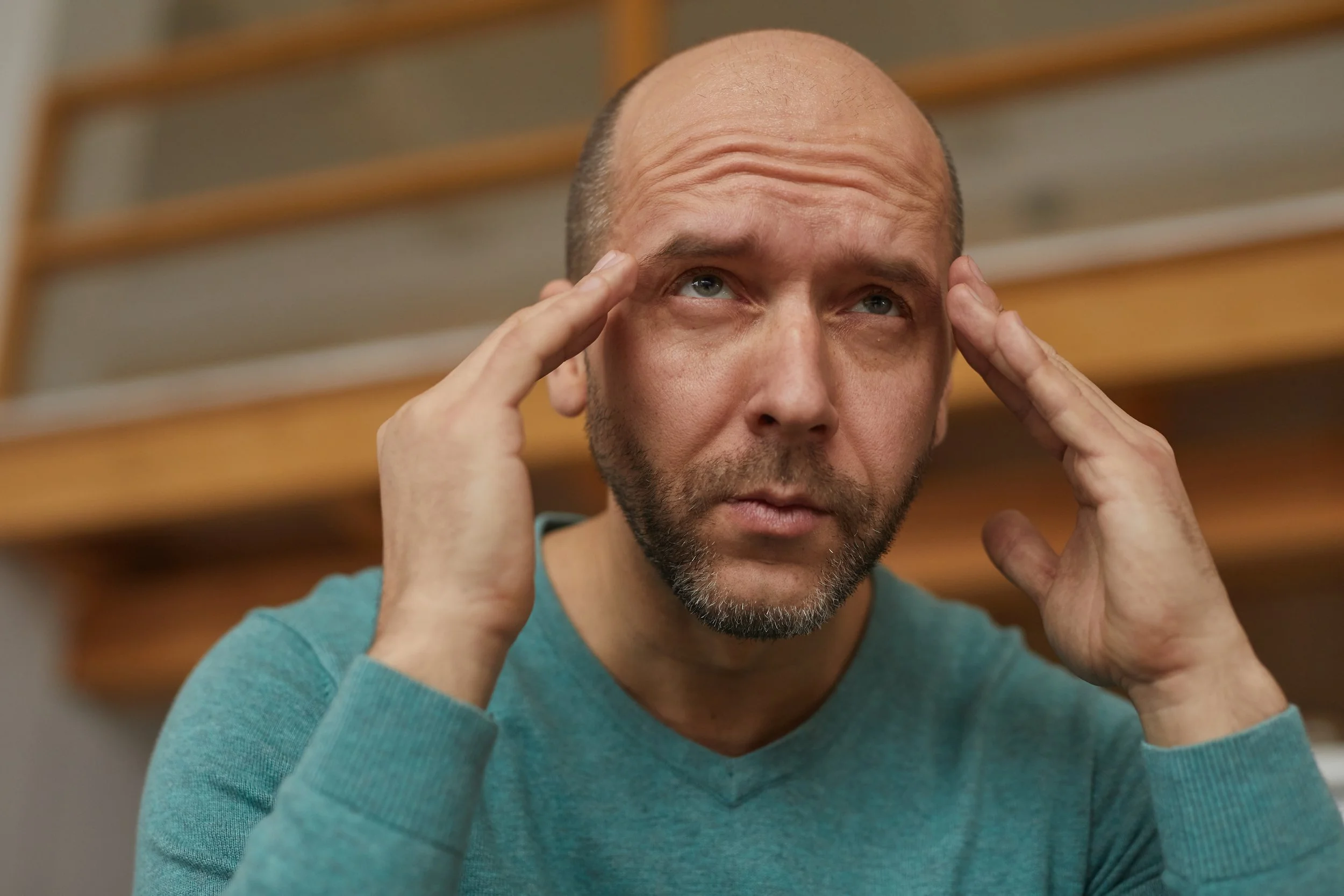
The Hidden Hormonal Reason You Feel “Tired but Wired”

Modern men are facing a silent health challenge that often goes unnoticed for years. Many wake up tired, push through the day with caffeine, struggle to focus, and still find themselves unable to fully relax at night. They feel exhausted physically but mentally overstimulated, commonly described as being “tired but wired.”
What many men do not realize is that this feeling is often connected to hormonal imbalance, particularly the interaction between cortisol and testosterone.
At The Balanced Man, we believe understanding your hormones is one of the most important steps toward improving energy, performance, confidence, and long-term health. While stress is often blamed for fatigue, the deeper issue may involve how chronic stress hormones disrupt testosterone production and recovery.
This article breaks down the science behind cortisol and testosterone imbalance, the warning signs men should not ignore, and practical strategies to regain hormonal balance naturally and medically.
Why Men Feel Exhausted Yet Can’t Slow Down
Many men assume fatigue simply comes from getting older, working too much, or not sleeping enough. While those factors matter, hormonal dysfunction can create a cycle that affects the body 24/7.
Cortisol is your body’s primary stress hormone. It helps regulate:
Energy levels
Blood sugar
Inflammation
Sleep-wake cycles
Survival responses
Testosterone, on the other hand, supports:
Muscle mass
Mental clarity
Libido
Motivation
Recovery
Emotional resilience
When cortisol remains elevated for long periods due to chronic stress, poor sleep, overtraining, or unhealthy lifestyle habits, testosterone production often declines.
Research from the Cleveland Clinic explains how chronic cortisol elevation affects multiple body systems, including metabolism, mood, and hormone regulation.
At the same time, the Mayo Clinic’s overview on testosterone deficiency highlights how low testosterone symptoms can significantly impact energy, sleep quality, concentration, and overall well-being.
The Cortisol-Testosterone Tug of War
Your body prioritizes survival over performance.
When stress becomes chronic, the brain signals the adrenal glands to keep producing cortisol. Over time, this can interfere with testosterone production through several biological mechanisms:
1. Reduced Testosterone Production
High cortisol can suppress signals from the brain to the testes, reducing testosterone synthesis.
2. Poor Sleep Recovery
Cortisol spikes at night can interrupt deep sleep the same time testosterone production naturally peaks.
3. Increased Fat Storage
Elevated cortisol contributes to abdominal fat gain, which may further lower testosterone through hormonal conversion processes.
4. Reduced Exercise Recovery
Men under chronic stress often notice slower recovery times, muscle loss, and reduced motivation to train.
5. Mental Burnout
Stress hormones can negatively affect dopamine and mood, making men feel mentally drained despite being physically restless.
The result is a frustrating cycle:
High stress
Low energy
Poor sleep
Lower testosterone
Increased fatigue
Higher stress again
Common Signs of Cortisol and Testosterone Imbalance
Many men live with hormonal symptoms for years without realizing the root cause.
Here are some of the most common warning signs:
Physical Symptoms
Constant fatigue
Difficulty building muscle
Increased belly fat
Low stamina
Reduced strength
Poor exercise recovery
Mental and Emotional Symptoms
Brain fog
Anxiety
Irritability
Lack of motivation
Feeling overwhelmed
Difficulty concentrating
Sleep-Related Symptoms
Waking up tired
Trouble falling asleep
Restless sleep
Racing thoughts at night
Sexual Health Symptoms
Lower libido
Reduced performance
Less morning erections
Decreased confidence
Why Hormone Testing Matters More Than Guessing
One of the biggest mistakes men make is assuming their symptoms are “normal.”
Fatigue, irritability, weight gain, and low motivation are often dismissed as aging or burnout. However, proper hormone testing can provide a much clearer picture of what is happening internally.
Comprehensive hormone testing for men can help evaluate:
Total testosterone
Free testosterone
Cortisol levels
Thyroid function
Estrogen balance
Insulin resistance markers
Vitamin deficiencies
Testing is valuable because hormone imbalance rarely involves just one number. Multiple systems in the body often influence each other simultaneously.
Men who understand their hormonal patterns are better equipped to make informed decisions about recovery, nutrition, sleep, stress management, and medical support if necessary.
The Modern Lifestyle Problem Few Men Talk About
Today’s environment creates constant stimulation:
Long work hours
Financial pressure
Poor sleep habits
Excess screen exposure
Processed food consumption
High caffeine intake
Limited recovery time
The body interprets many of these factors as stressors.
Even men who exercise regularly may unknowingly worsen cortisol imbalance if they:
Overtrain without recovery
Sleep poorly
Undereat
Depend heavily on stimulants
This explains why some men appear healthy externally but still feel chronically exhausted internally.
Practical Strategies to Improve Hormonal Balance
Improving hormonal health requires consistency rather than extreme measures. The goal is not simply to “boost testosterone” temporarily, but to create an environment where the body can regulate hormones more effectively.
1. Prioritize Sleep Recovery
Sleep remains one of the strongest natural testosterone optimization tools available.
Aim for:
7–9 hours of sleep
Consistent sleep schedules
Reduced screen exposure before bed
Cooler sleeping environments
The Sleep Foundation explains the strong relationship between sleep quality and testosterone production.
2. Reduce Chronic Stress Load
You cannot eliminate stress entirely, but you can improve how your body responds to it.
Helpful strategies include:
Walking outdoors
Resistance training
Deep breathing exercises
Meditation
Reducing excessive caffeine intake
Setting work boundaries
Small daily improvements can lower cortisol over time.
3. Focus on Strength Training Without Overtraining
Resistance training supports healthy testosterone levels, but excessive high-intensity exercise without recovery may elevate cortisol further.
Balanced training includes:
Strength workouts 3–5 times weekly
Recovery days
Proper nutrition
Hydration
Mobility work
4. Improve Nutrition for Hormonal Health
Hormones require adequate nutrients to function properly.
Men often benefit from:
Higher protein intake
Healthy fats
Whole foods
Reduced ultra-processed foods
Balanced blood sugar management
Crash dieting and aggressive calorie restriction can worsen hormonal imbalance.
5. Consider Professional Support
For some men, lifestyle adjustments alone may not fully correct hormonal dysfunction.
Modern online hormone therapy for men has made it easier for qualified patients to access medical evaluations and treatment options from licensed providers remotely.
Professional care may include:
Hormone monitoring
Lifestyle coaching
Personalized treatment plans
Testosterone replacement therapy (when medically appropriate)
Medical guidance helps ensure safe and evidence-based testosterone optimization rather than relying on guesswork or unregulated supplements.
The Difference Between Temporary Energy and True Recovery
Many men attempt to solve fatigue with:
More caffeine
Energy drinks
Pre-workout stimulants
Extreme diets
These may temporarily increase alertness while masking deeper hormonal issues.
True recovery comes from restoring balance, not forcing the body to operate in constant survival mode.
When cortisol and testosterone become more balanced, men often report:
Better focus
Improved sleep
More stable energy
Better mood
Increased motivation
Improved physical performance
Hormonal health affects nearly every system in the body.
When Should Men Take Symptoms Seriously?
Men should consider professional evaluation if symptoms persist for several months, especially when they affect:
Work performance
Relationships
Exercise recovery
Sleep quality
Mental clarity
Confidence
Ignoring hormonal imbalance may allow symptoms to worsen over time.
The earlier men address chronic stress and hormone dysfunction, the easier it often becomes to improve overall health outcomes.
Final Thoughts
Feeling “tired but wired” is not simply a personality trait or an unavoidable part of aging. For many men, it reflects a deeper imbalance between cortisol and testosterone that affects both physical and mental performance.
The good news is that hormonal health can improve with the right combination of:
Testing
Lifestyle changes
Recovery strategies
Medical guidance when needed
At The Balanced Man, we encourage men to stop normalizing chronic fatigue and start paying attention to the signals their bodies are sending.
Energy, confidence, focus, and resilience are not just about pushing harder they often begin with restoring balance from within.