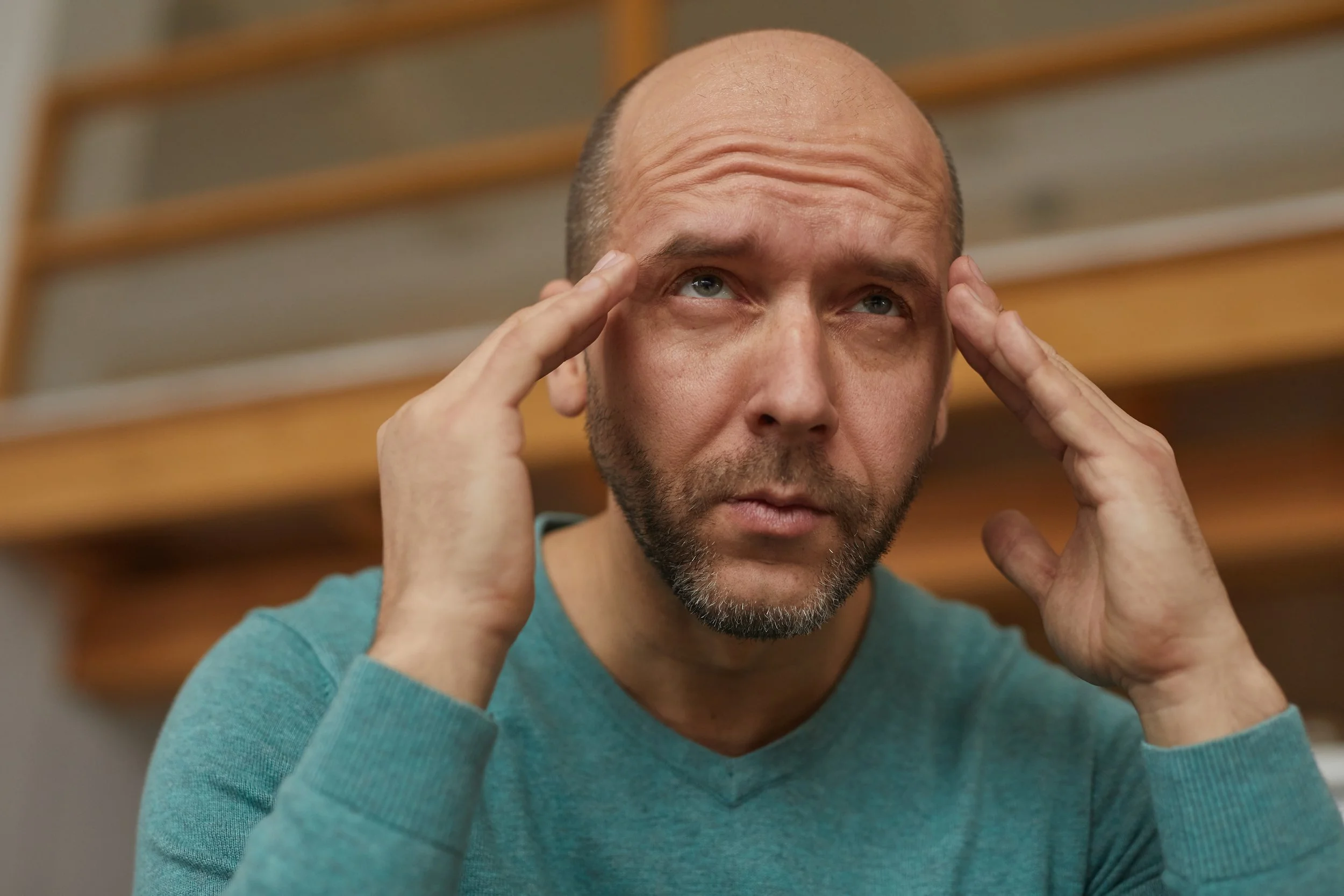
Hormone Imbalance in Men Isn’t Always Obvious—Here’s How It Shows Up

Hormones play a critical role in a man’s physical, mental, and emotional well-being. Yet many men walk around for years feeling “off” without realizing that the root cause may be hormonal. Unlike sudden illnesses, hormone imbalance in men tends to develop gradually making it easy to overlook or misattribute stress, aging, or lifestyle.
Here’s the breakdown of how hormone imbalance presents itself, how to identify it early, and what actionable steps you can take to regain control of your health.
How to Identify Hormone Imbalance in Men
Pay Attention to Subtle Physical Changes
One of the first indicators of low testosterone symptoms is a gradual shift in your body. This may include:
Increased body fat, especially around the abdomen
Reduced muscle mass despite regular workouts
Low energy levels that persist even after rest
These changes are often dismissed as “just getting older,” but they can signal deeper hormonal issues.
Evaluate Your Mental and Emotional State
Hormones don’t just affect your body, they directly influence brain function. Signs may include:
Brain fog or difficulty concentrating
Irritability or mood swings
Reduced motivation or confidence
Monitor Sexual Health
A decline in libido or performance is one of the more recognizable signs, yet many avoid discussing it. This includes:
Lower sex drive
Erectile difficulties
Reduced satisfaction
Track Sleep Patterns
Poor sleep or insomnia can both cause and result from hormonal imbalance. If you’re waking up tired despite adequate hours, it’s worth investigating.
Get Professional Testing
The most reliable way to confirm a diagnosis is through hormone testing for men. Blood tests measure testosterone, estrogen, and other key markers.
Top Signs and Symptoms You Shouldn’t Ignore
Here’s a breakdown of the most common but often overlooked symptoms:
Physical Symptoms
Chronic fatigue
Weight gain
Reduced strength
Emotional & Cognitive Symptoms
Anxiety or mild depression
Lack of focus
Memory lapses
Sexual Health Changes
Decreased libido
Performance concerns
Metabolic Changes
Slower recovery from workouts
Increased cravings
Many people assume that hormone imbalance is only a concern for older men, but that’s not entirely accurate. While aging does play a role, men in their 30s and even late 20s can already experience hormonal changes due to stress, poor diet, and modern lifestyle habits. Another common misconception is that symptoms are simply caused by stress. Although stress can contribute to hormonal disruption, ongoing or worsening symptoms often indicate something deeper that shouldn’t be ignored. There’s also the belief that signs will be obvious right away, but in reality, hormone imbalance in men tends to develop gradually. The changes are often subtle at first, making early detection difficult without proper awareness and attention to your body.
Practical Solutions to Restore Hormonal Balance
Lifestyle Adjustments
Prioritize 7–9 hours of quality sleep
Engage in strength training
Reduce processed foods and sugar
Stress Management
Chronic stress elevates cortisol, which suppresses testosterone production. Consider:
Meditation
Regular physical activity
Structured downtime
Nutrition Optimization
Focus on:
Healthy fats (avocado, nuts)
Lean protein
Micronutrients like zinc and vitamin D
Medical Support
If symptoms persist, consult a professional for hormone testing for men and potential treatment options such as testosterone therapy.
Case Insight: The “High-Functioning but Exhausted” Man
A common scenario involves men who appear successful externally but feel internally drained.
Profile:
Mid-30s professional
Works out regularly
Eats relatively well
Challenges:
Persistent fatigue
Low drive
Decreasing performance
Outcome:After undergoing proper testing, low testosterone levels were identified. With guided treatment and lifestyle adjustments, energy, focus, and overall well-being improved significantly.
Future Outlook: Why Awareness Matters More Than Ever
Modern lifestyles are contributing to a rise in hormonal issues:
Sedentary work environments
High stress levels
Poor sleep habits
Understanding low testosterone symptoms early allows for proactive management rather than reactive treatment.
Over the next decade, hormone optimization is expected to become a central pillar of preventive healthcare for men.
FAQ: Hormone Imbalance in Men
Q: When should I get tested?If symptoms persist for more than a few weeks or impact daily life, testing is recommended.
Q: Is treatment safe?When supervised by qualified professionals, hormone therapy can be both safe and effective.
Q: Can lifestyle changes alone fix it?In mild cases, yes. However, more severe imbalances may require medical support.
Taking Control of Your Health
Hormonal health isn’t just about aging, it's about quality of life. The challenge is that symptoms don’t always appear in obvious ways. They build slowly, affecting energy, confidence, and overall performance.
By recognizing early signs, seeking proper evaluation, and taking action, you can regain balance and operate at your full potential.
At The Balanced Man, we believe clarity leads to better decisions. If something feels off, trust it and take the next step toward understanding your body.