What Happens to the Male Body During Testosterone Decline and How to Get Back on Track

Testosterone plays a foundational role in male health, influencing everything from muscle mass and energy levels to mood, metabolism, and sexual function. While testosterone naturally declines with age, many men experience symptoms earlier or more intensely than expected often without realizing hormones are at the root of the issue.
Understanding what happens during testosterone decline and knowing how to address it can be the difference between simply “getting by” and fully regaining vitality, confidence, and performance.
This guide breaks down what testosterone decline looks like, why it happens, and the most effective, evidence-based ways to get back on track.
Understanding Testosterone Decline in Men
Testosterone levels typically peak in early adulthood and decline gradually over time. However, lifestyle factors, stress, poor sleep, excess body fat, and chronic inflammation can accelerate this decline.
Testosterone affects multiple systems in the body, so when levels drop, symptoms often appear in more than one area at once.
Common Signs of Testosterone Decline
Decreased energy and stamina
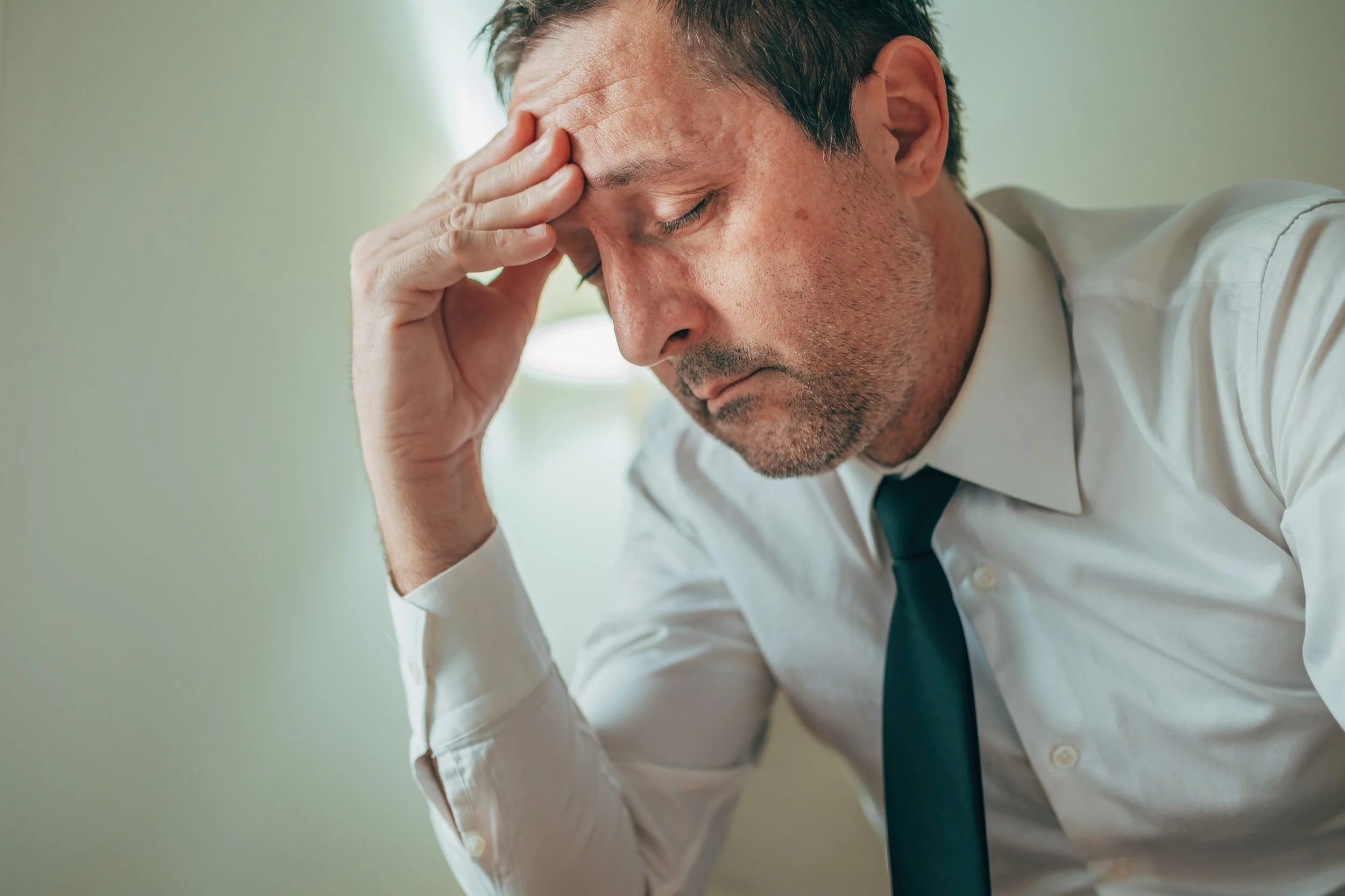
Men with declining testosterone often experience persistent fatigue that doesn’t improve with rest. Daily tasks, workouts, or long workdays may feel more draining than they once did, even with adequate sleep.Loss of muscle mass and increased body fat
Lower testosterone reduces the body’s ability to maintain lean muscle, leading to gradual muscle loss and an increase in body fat particularly around the abdomen. This shift can occur even without changes in diet or exercise habits.Reduced libido and sexual performance
Testosterone plays a direct role in sexual desire and function. Declining levels may result in reduced interest in intimacy, changes in erectile quality, or decreased overall sexual satisfaction.Brain fog or difficulty concentrating
Many men report trouble focusing, slower mental processing, or forgetfulness. Testosterone influences cognitive function, and lower levels can affect clarity, decision-making, and mental sharpness.Mood changes, irritability, or low motivation
Hormonal imbalance can contribute to mood instability, increased irritability, or a noticeable decline in motivation and confidence. Some men also experience symptoms similar to mild depression or emotional flatness.Poor recovery after exercise
Testosterone supports muscle repair and recovery. When levels are low, soreness may last longer, strength gains may stall, and physical recovery after workouts or physical labor can feel significantly slower.Disrupted sleep
Low testosterone is often associated with poor sleep quality, difficulty staying asleep, or waking up feeling unrefreshed. Sleep disruption can further worsen hormonal imbalance, creating a cycle that impacts overall health.
Many men assume these changes are simply part of aging but in reality, they’re signals that the body is out of hormonal balance.
How Testosterone Decline Affects the Male Body (System by System)
1. Muscle, Strength, and Metabolism
Testosterone supports protein synthesis and muscle maintenance. As levels decline:
Muscle mass decreases
Fat accumulation increases, particularly around the abdomen
Metabolic rate slows
This creates a cycle where weight gain further suppresses testosterone production.
2. Energy, Mood, and Cognitive Function
Low testosterone is closely linked to:
Chronic fatigue
Decreased drive and confidence
Difficulty focusing or remembering details
Testosterone plays a role in neurotransmitter balance, which explains its influence on motivation and mental clarity.
3. Sexual Health and Performance
Testosterone directly affects:
Libido
Erectile function
Overall sexual satisfaction
Decline doesn’t just impact physical performance it often affects self-esteem and relationships as well.
4. Bone and Cardiovascular Health
Healthy testosterone levels support:
Bone density
Red blood cell production
Vascular health
Long-term deficiency can increase the risk of osteoporosis and cardiovascular complications.
How to Get Back on Track
Restoring testosterone balance doesn’t rely on guesswork. It requires a structured, individualized approach.
Identify the Root Cause
Symptoms alone aren’t enough. Comprehensive hormone testing helps assess:
Total and free testosterone
Related hormones (estrogen, SHBG, cortisol)
Metabolic and inflammatory markers
This provides clarity and prevents unnecessary or ineffective treatments.
Address Lifestyle Factors First
Many men see improvements by correcting foundational habits:
Key Lifestyle Strategies
Sleep optimization: Aim for 7–9 hours of quality sleep
Strength training: Resistance exercise supports natural testosterone production
Nutrition: Adequate protein, healthy fats, and micronutrients
Stress management: Chronic stress elevates cortisol, which suppresses testosterone
Common mistake: Overtraining or extreme dieting both can worsen hormonal imbalance.
Optimize Body Composition
Excess body fat increases estrogen production, further lowering testosterone. Sustainable fat loss through balanced nutrition and training improves hormonal signaling.
Consider Medical Support When Needed
For men with clinically low testosterone, medically supervised testosterone therapy may be appropriate.
Modern hormone therapy focuses on:
Physiologic (not excessive) dosing
Ongoing monitoring
Individualized treatment plans
When managed correctly, therapy can improve energy, strength, cognition, and quality of life.
Comparing Testosterone Restoration Options
Lifestyle Optimization
Best for: Men with mild testosterone decline or early symptoms
Key considerations: Lifestyle changes such as improving sleep, nutrition, stress management, and resistance training can support natural testosterone production. Results depend heavily on consistency and may take time to become noticeable.
Supplement Support
Best for: Men with identified nutrient deficiencies
Key considerations: Supplements may help address deficiencies that impact hormone production, but they are not a standalone solution for clinically low testosterone and should not replace medical evaluation or treatment.
Testosterone Therapy
Best for: Men with confirmed testosterone deficiency
Key considerations: Medically supervised testosterone therapy can be effective when appropriately prescribed and monitored. Ongoing medical oversight is essential to ensure safety, proper dosing, and long-term results.
There is no one-size-fits-all solution. Effective testosterone restoration depends on accurate diagnosis, individualized treatment plans, and ongoing monitoring to achieve safe and sustainable results.
Common Misconceptions About Testosterone Decline
“Low testosterone only affects older men”
In reality, younger men can experience decline due to stress, obesity, poor sleep, and environmental factors.
“Testosterone therapy is unsafe”
When improperly used, risks exist but modern, monitored hormone therapy is evidence-based and widely used under clinical guidance.
“Symptoms are just part of aging”
Aging doesn’t have to mean fatigue, weakness, or loss of drive. Many men regain function by addressing hormonal health.
The Future of Men’s Hormone Health
Men’s health is shifting toward preventative, personalized care. Rather than waiting for symptoms to worsen, more men are proactively evaluating hormones, metabolism, and long-term health risks.
Early intervention allows men to:
Preserve strength and vitality
Addressing hormonal changes early helps maintain muscle mass, physical endurance, and overall energy levels. Men who intervene sooner are more likely to sustain strength, remain active, and continue performing at a high level both physically and professionally as they age.Protect bone and cardiovascular health
Healthy testosterone levels support bone density and cardiovascular function. Early intervention can help reduce the risk of bone loss, fractures, and cardiovascular complications by supporting red blood cell production, vascular health, and metabolic balance.Maintain mental sharpness and confidence
Testosterone plays a role in cognitive function, mood stability, and self-confidence. Early hormonal support can help preserve mental clarity, decision-making ability, and emotional resilience, allowing men to stay focused, motivated, and engaged in daily life.
Final Thoughts: Reclaiming Balance and Performance
Testosterone decline affects far more than muscle or libido it influences how men feel, perform, and engage with life. The good news is that decline is not a dead end.
With proper assessment, lifestyle optimization, and when appropriate modern hormone therapy, men can restore balance and move forward with clarity and confidence.
At The Balanced Man, we believe education is the foundation of meaningful, lasting transformation. When men understand how their bodies function and why certain changes occur they are better equipped to make informed, confident decisions about their health. Knowledge removes uncertainty, replaces frustration with clarity, and empowers men to take control of their long-term well-being.
Our approach goes beyond treating symptoms. We focus on helping men understand the underlying factors affecting their energy, performance, and overall quality of life. By combining education with personalized guidance, we give men the tools they need to move forward with confidence, make proactive choices, and invest in their health with purpose. Taking the first step toward understanding your body isn’t just informative, it's the beginning of sustainable change.