Sex Drive, Stamina, and Intimacy: How Hormone Therapy Helps Men Reclaim Their Confidence
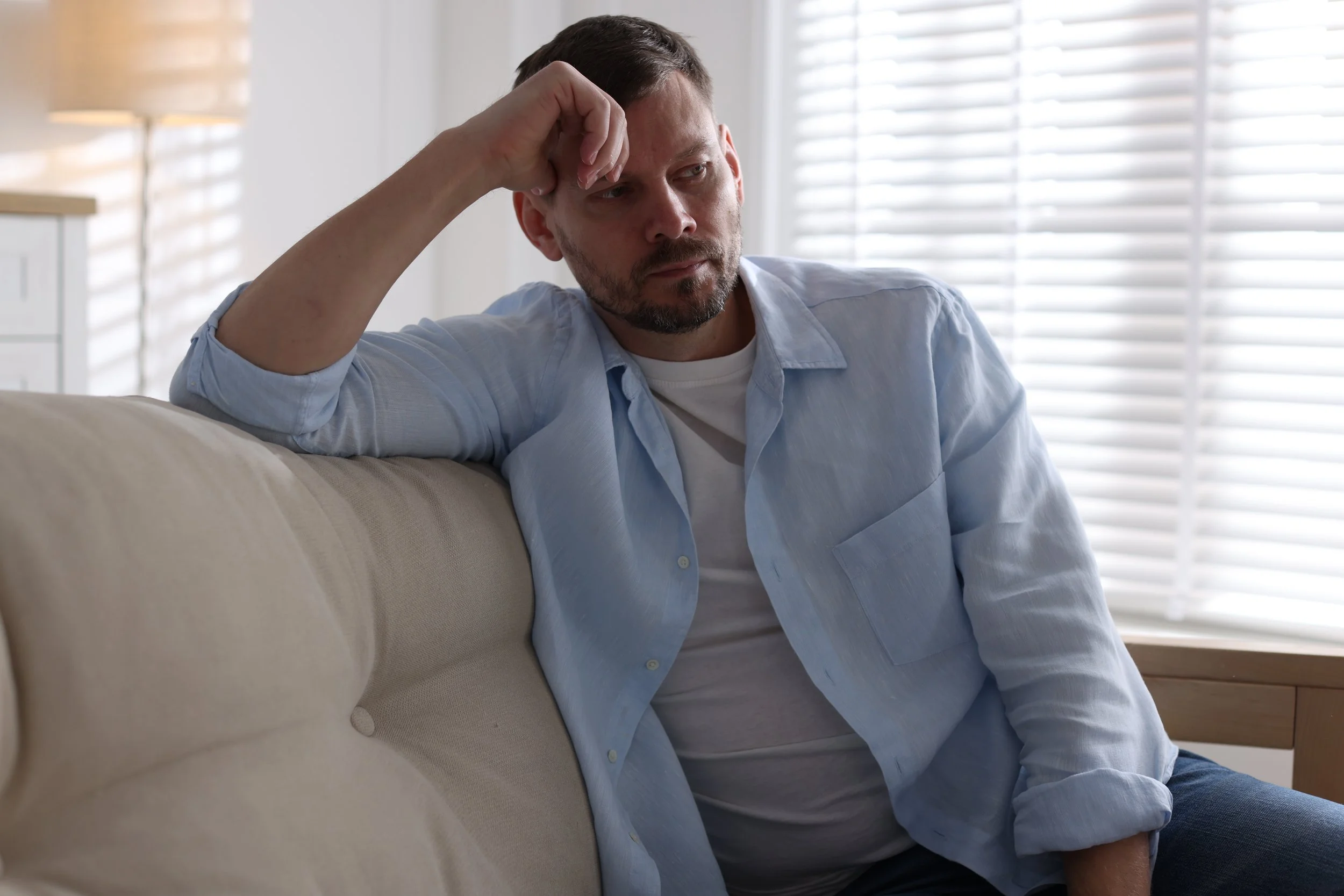
For many men, confidence is closely tied to vitality, performance, and connection both inside and outside the bedroom. When sex drive fades, stamina declines, or intimacy begins to feel forced instead of natural, the emotional impact can be just as heavy as the physical symptoms.
These changes often arrive quietly. A little less energy. Slower recovery. Fewer spontaneous moments of desire. Over time, what starts as a mild frustration can turn into self-doubt, strain in relationships, and a growing sense that something is “off.”
At The Balanced Man, we see this every day. The good news is that these issues are not a personal failure and they are not something men simply have to accept with age. In many cases, hormonal imbalance is a major contributor, and modern hormone therapy offers a safe, personalized path back to confidence, performance, and authentic intimacy.
This in-depth guide explains why sex drive and stamina decline, how hormones influence male intimacy, and how hormone therapy can help men reclaim control over their bodies and their relationships.
Understanding the Real Problem: Why Sex Drive and Stamina Decline
Sexual health is not just about testosterone levels or performance at the moment. It’s the result of a complex system involving hormones, nervous system signaling, blood flow, mental health, sleep quality, and emotional connection.
When one or more of these systems falls out of balance, men may experience:
Reduced libido or interest in sex
A noticeable decline in sexual desire often occurs gradually, making it easy to dismiss at first. Over time, spontaneous interest fades, and intimacy can begin to feel more like an obligation than a natural expression of connection.
Difficulty maintaining erections
Hormonal imbalance can interfere with blood flow, nerve signaling, and responsiveness, all of which are essential for consistent erectile function. Even when desire is present, the body may struggle to respond appropriately, leading to frustration and self-doubt.
Lower stamina or endurance
Reduced hormonal support affects muscle strength, cardiovascular efficiency, and overall energy levels. This can result in quicker fatigue during physical activity and intimacy, limiting both performance and enjoyment.
Delayed recovery after intimacy
Men may notice that it takes significantly longer to feel physically and mentally recharged after sexual activity. What once felt energizing can instead leave them drained, impacting confidence and frequency of intimacy.
Brain fog or lack of mental presence
Hormonal shifts can affect neurotransmitter balance, leading to difficulty focusing, slower thinking, and a sense of mental disconnect. This lack of clarity can make it harder to stay emotionally engaged and present during intimate moments.
Increased anxiety around performance
As physical symptoms persist, worry about sexual performance often grows. This anxiety can create a self-reinforcing cycle, where fear of underperforming further interferes with arousal, confidence, and satisfaction.
While aging is often blamed, age itself is not the root cause. Hormonal decline and dysregulation, especially testosterone, estrogen balance, cortisol, and thyroid hormones play a central role.
The Hormonal Link to Male Confidence and Intimacy
Testosterone: More Than a Sex Hormone
Testosterone affects far more than libido. It plays a critical role in multiple systems throughout the male body, including:
Sexual desire and arousal
Testosterone helps regulate the brain’s sexual signaling pathways that initiate interest and desire. When levels decline, arousal becomes less frequent and less responsive, even in situations where attraction and emotional connection are present.
Erectile quality and blood flow
Healthy testosterone levels support nitric oxide production, which is essential for proper blood vessel dilation and erectile function. When testosterone is low, blood flow to erectile tissue may be reduced, making it more difficult to achieve or maintain firm, reliable erections.
Muscle strength and endurance
Testosterone drives muscle protein synthesis, strength maintenance, and physical resilience. Lower levels often result in reduced stamina, quicker fatigue, and diminished physical performance during both exercise and intimate activity.
Motivation and competitiveness
Testosterone influences dopamine activity in the brain, which affects drive, ambition, and goal-oriented behavior. When levels drop, men may experience reduced motivation, decreased assertiveness, and a general loss of competitive edge.
Mood stability and confidence
Balanced testosterone supports emotional regulation and stress resilience. Imbalances can contribute to irritability, low mood, or diminished self-confidence, often affecting personal relationships and overall quality of life.
When testosterone levels drop or when the body cannot properly utilize available testosterone men often notice changes in both physical performance and emotional well-being.
Estrogen Balance Matters Too
Many men are surprised to learn that estrogen plays a role in male sexual health. When testosterone converts excessively into estrogen, men may experience:
Lower libido
Increased fatigue
Emotional volatility
Difficulty maintaining erections
Hormone therapy focuses on balance, not just boosting numbers.
Cortisol and Stress
Chronic stress elevates cortisol, which directly suppresses testosterone production. High cortisol also interferes with sleep, recovery, and sexual responsiveness creating a cycle that worsens over time.
How Hormone Therapy Supports Sexual Health
Comprehensive Hormone Evaluation
Effective hormone therapy starts with detailed testing not guesswork. This includes:
Total and free testosterone
Estrogen levels
Cortisol patterns
Thyroid function
Metabolic and inflammatory markers
This data provides a complete picture of what’s happening inside the body.
Personalized Treatment Planning
No two men experience hormonal decline the same way. Treatment plans are tailored based on:
Symptoms, not just lab ranges
Lifestyle and stress levels
Age and health history
Relationship goals and concerns
The goal is restoration, not overstimulation.
Gradual Hormonal Optimization
Hormone therapy works by restoring balance over time. As levels stabilize, men often notice:
Increased sexual desire
Improved erectile quality
Greater physical stamina
Faster recovery
Improved mood and confidence
These changes build progressively, supporting sustainable results.
Ongoing Monitoring and Adjustments
Regular follow-ups ensure therapy remains safe, effective, and aligned with how the body responds.
Top Challenges Men Face and How Hormone Therapy Helps
1. Loss of Desire Without Explanation
Many men feel confused when attraction and desire fade despite healthy relationships. Hormone therapy addresses the physiological drivers of libido, allowing desire to return naturally rather than forcing performance.
2. Performance Anxiety and Confidence Loss
Hormonal imbalance often affects neurotransmitters linked to confidence and motivation. Restoring balance improves mental clarity and reduces anxiety tied to intimacy.
3. Reduced Stamina and Recovery
Low testosterone affects circulation, muscle endurance, and oxygen utilization. Hormone optimization improves physical resilience inside and outside the bedroom.
4. Emotional Distance in Relationships
When men feel disconnected from their bodies, emotional intimacy often suffers. Improved hormonal health enhances presence, emotional availability, and connection.
Hormone Therapy vs. Short-Term Fixes
Many men turn to quick solutions when sexual health declines. Here’s how they compare:
Temporary Solutions
Address symptoms, not root causes
Often inconsistent results
Can increase anxiety around performance
No impact on overall vitality
Hormone Therapy
Treats underlying imbalance
Supports long-term sexual health
Improves energy, mood, and confidence
Enhances overall quality of life
Hormone therapy is not about chasing youth it’s about restoring function.
From Frustration to Confidence
Consider a common scenario we see at The Balanced Man:
A man in his late 30s or 40s notices declining energy, reduced sex drive, and a growing sense of self-doubt. He exercises regularly and eats well but feels disconnected from his body. His relationship begins to feel strained not from lack of love, but from lack of confidence.
After comprehensive testing and personalized hormone therapy, he experiences:
Consistent energy throughout the day
Renewed sexual desire
Improved performance without pressure
Greater emotional connection with his partner
The transformation isn’t just physical it’s psychological and relational.
Common Myths About Hormone Therapy
Hormone Therapy Is Only for Older Men
Hormonal imbalance can occur at any age, especially with chronic stress, poor sleep, or metabolic dysfunction.
It’s Only About Sex
Improved intimacy is one benefit but hormone therapy also supports heart health, cognition, muscle maintenance, and emotional stability.
It’s Unsafe
When properly prescribed and monitored, modern hormone therapy is evidence-based and highly controlled.
Timeless Tips to Support Hormone Therapy Results
While hormone therapy is powerful, results are maximized when combined with healthy habits:
Prioritize quality sleep
Manage stress intentionally
Maintain resistance training
Eat adequate protein and healthy fats
Limit alcohol and processed foods
These habits enhance hormonal responsiveness and long-term success.
The Future of Men’s Sexual Health
Men’s health is evolving beyond symptom suppression toward root-cause optimization. Hormone therapy represents a shift toward proactive care supporting longevity, performance, and meaningful connection at every stage of life.
Confidence is not about perfection. It’s about alignment between how a man feels and how his body functions.
Reclaiming Confidence Starts with Understanding
Sex drive, stamina, and intimacy are not luxuries or optional aspects of life; they are fundamental components of male health, identity, and overall well-being. These elements influence how men experience connection, self-worth, and vitality, shaping not only intimate relationships but also confidence in everyday life. When they begin to decline, it is not a personal failure or a sign of weakness; it is the body communicating that something beneath the surface deserves attention.
Too often, men are conditioned to ignore these signals or push through them in silence. However, lasting confidence does not come from denial or temporary fixes, it comes from understanding what the body needs to function optimally. Addressing hormonal balance allows men to move beyond symptom management and toward true restoration.
Hormone therapy offers a scientifically grounded, personalized approach to restoring balance, supporting sexual health, and improving physical and emotional resilience. By working with the body rather than against it, men can reconnect with their natural energy, regain confidence in their performance, and engage more fully and authentically in their relationships.
At The Balanced Man, we believe confidence isn’t something you force or pretend to have. It is something you rebuild from the inside out through clarity, balance, and a deeper understanding of your health.