Testosterone Therapy and Hair Loss: What Men Should Know
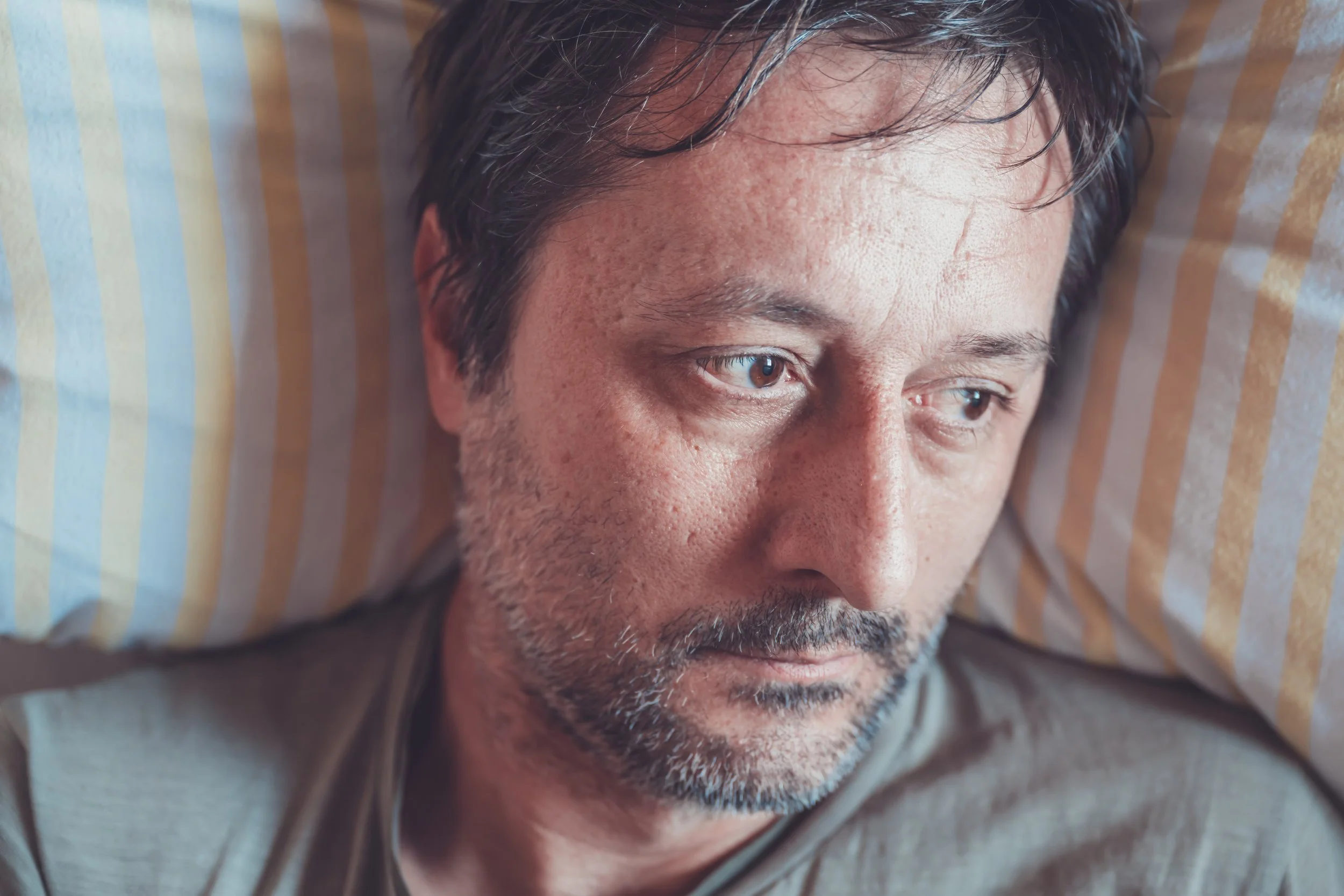
Low testosterone can quietly impact a man’s life. Energy drops. Motivation fades. Muscle mass declines. Libido suffers. For many men, testosterone therapy offers a way to restore strength, drive, and confidence.
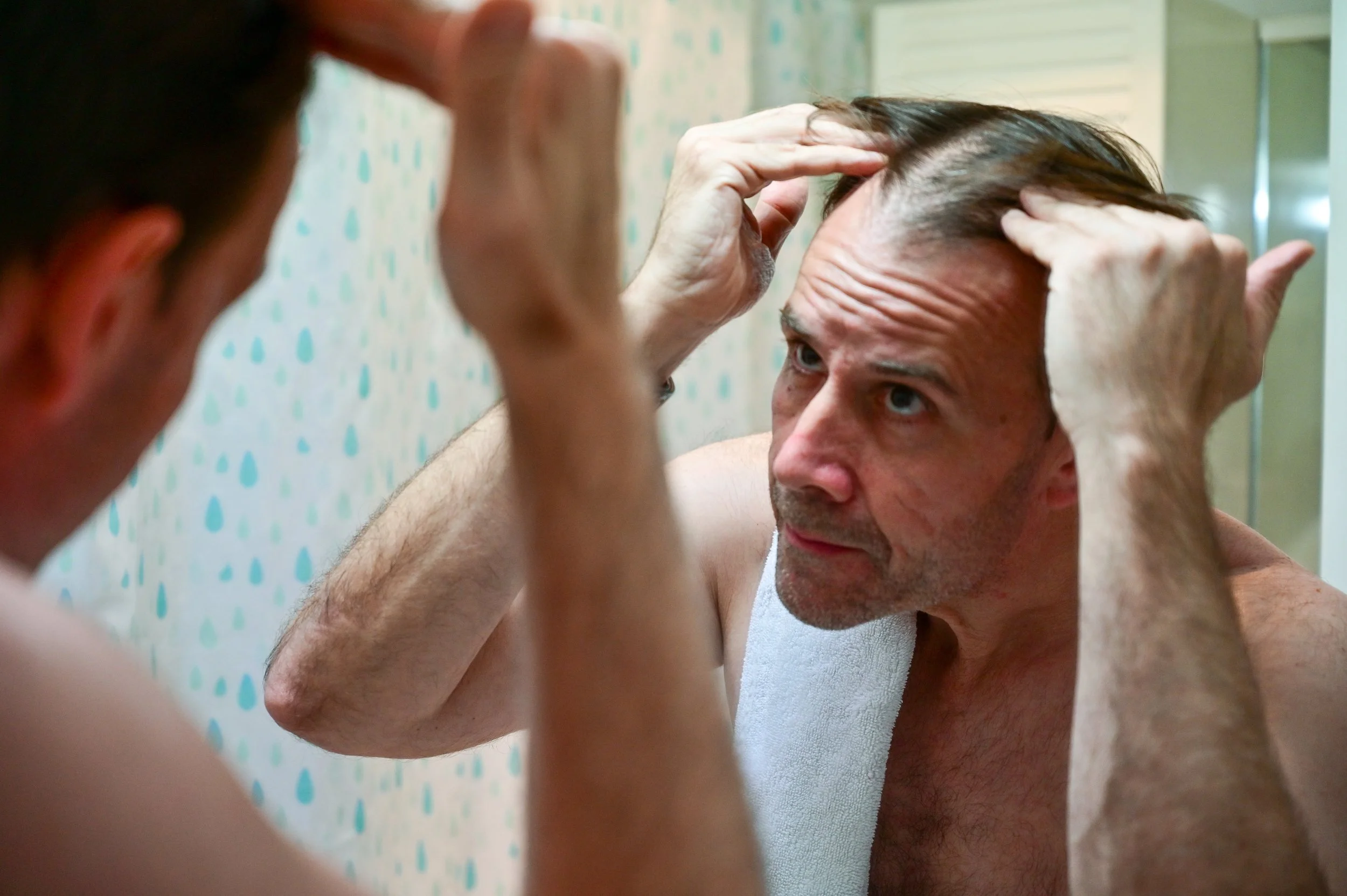
Yet one concern consistently comes up: does testosterone therapy cause hair loss?
The truth about testosterone therapy and hair loss is more nuanced than most headlines suggest. Understanding the science behind hormones, genetics, and proper testosterone optimization can help you make a confident and informed decision.
The Science Behind Testosterone and DHT
Testosterone itself is not the primary cause of male pattern baldness. The key hormone involved is dihydrotestosterone, commonly called DHT. DHT is formed when testosterone is converted by the enzyme 5 alpha reductase.
Research from the National Library of Medicine explains that DHT binds to androgen receptors in hair follicles. In men who are genetically predisposed, this binding causes follicles to shrink over time, leading to androgenetic alopecia.
If you do not carry the genetic sensitivity to DHT, increasing testosterone levels does not automatically mean you will lose your hair. Genetics determine how your follicles respond.
Does Testosterone Therapy Cause Baldness?
The relationship between testosterone therapy and hair loss depends largely on your genetic makeup.
Clinical studies show that testosterone therapy can increase circulating testosterone levels. A portion of that testosterone may convert into DHT. For men already prone to male pattern baldness, higher DHT levels may accelerate an existing thinning process.
However, testosterone therapy does not create baldness out of nowhere. It may speed up hair loss only in men who were already destined for it due to hereditary factors.
The American Hair Loss Association emphasizes that androgenetic alopecia is primarily genetic, with hormones acting as a trigger rather than a sole cause.
Why Men Still Choose Testosterone Therapy
Despite concerns about testosterone therapy and hair loss, thousands of men pursue treatment because the benefits can be transformative.
According to the Mayo Clinic, properly supervised testosterone therapy may improve:
Sexual desire and performance
Muscle mass and physical strength
Bone density
Mood stability
Energy and mental clarity
Low testosterone levels are associated with fatigue, depression, reduced motivation, and metabolic changes. For many men, restoring healthy hormone levels through testosterone optimization significantly improves overall quality of life.
The key is balance. Responsible testosterone optimization focuses on achieving healthy, physiologic hormone levels rather than pushing testosterone to extreme ranges.
What Is Testosterone Optimization?
Testosterone optimization is a personalized, data driven approach to hormone therapy. Instead of simply increasing testosterone blindly, physicians evaluate:
Total testosterone
Free testosterone
Estradiol
SHBG
Hematocrit
Sometimes DHT
Through consistent lab monitoring and symptom tracking, providers adjust doses carefully. This minimizes unnecessary spikes that could increase DHT excessively and potentially influence testosterone therapy and hair loss outcomes.
When managed properly, testosterone optimization supports vitality while maintaining hormonal balance.
Can You Reduce Hair Loss Risk on TRT?
If you are concerned about testosterone therapy and hair loss, there are strategies to lower potential risk.
Some physicians prescribe 5 alpha reductase inhibitors such as finasteride to reduce DHT production. Clinical trials show finasteride can slow hair loss progression in men with androgenetic alopecia.
Topical treatments like minoxidil may also help maintain follicle health. Optimizing nutrition, reducing stress, and improving sleep can further support scalp health.
Most importantly, therapy should never be self prescribed. Buying hormones without supervision increases the likelihood of imbalances, elevated hematocrit, estrogen swings, and unpredictable DHT conversion.
The Importance of a Legitimate TRT Online Prescription
Telehealth has made hormone care more accessible. However, not all services follow medical best practices.
A proper TRT online prescription should always include:
Comprehensive initial lab testing
Physician consultation
Ongoing lab monitoring
Dose adjustments based on response
Side effect tracking
Skipping these steps increases risk. Testosterone is a powerful hormone that must be carefully managed.
Working with a reputable provider ensures testosterone optimization is safe, personalized, and medically supervised.
Genetics Still Lead the Conversation
Men often blame testosterone alone for hair thinning. In reality, family history plays a far greater role.
If your father or grandfather experienced male pattern baldness, you may carry similar follicle sensitivity to DHT. In that case, raising testosterone levels through therapy could accelerate an existing process.
But remember, acceleration does not mean creation. Testosterone therapy and hair loss are linked primarily through genetic susceptibility.
Understanding your family history helps set realistic expectations before starting treatment.
Balancing Confidence, Health, and Appearance
Hair plays a major role in self image. At the same time, low testosterone can erode confidence just as powerfully.
Chronic fatigue, reduced performance, and mood changes impact relationships, productivity, and overall well being. For many men, the benefits of testosterone optimization outweigh the manageable risk of gradual thinning, especially when preventive strategies are available.
This is why choosing the right partner matters. The Balanced Man emphasizes individualized care, responsible dosing, and long term monitoring. Instead of chasing extreme hormone levels, their approach centers on restoring balance safely through structured programs and legitimate TRT online prescription protocols.
The Bottom Line
The fear surrounding testosterone therapy and hair loss is often rooted in oversimplified information.
Here is what science shows:
Testosterone converts to DHT
DHT can shrink hair follicles
Genetics determine sensitivity
Proper medical oversight reduces risk
If you are considering therapy, start with lab testing. Confirm true deficiency. Work with a provider who prioritizes testosterone optimization rather than aggressive dosing. Ensure your treatment plan includes a legitimate TRT online prescription and ongoing monitoring.
Your health decisions should be based on evidence, not fear.
When managed responsibly, testosterone therapy can restore energy, strength, and drive. Hair loss risk depends far more on your DNA than on properly supervised hormone treatment.
The goal is not just higher testosterone. The goal is a balanced, confident, and healthier version of you.