Low Testosterone Symptoms in Men: When to Consider Hormone Therapy

Many men assume that feeling tired, gaining weight, or losing motivation is just part of aging. But in some cases, these changes are not simply about getting older. They may be linked to low testosterone symptoms that gradually affect physical health, mental clarity, and overall confidence.
Testosterone plays a crucial role in muscle mass, bone density, libido, red blood cell production, and mood regulation. When levels decline beyond what is expected for age, the impact can be significant. Understanding what is normal and what may signal a deeper issue is the first step toward regaining control of your health.
What Is Testosterone and Why It Matters
Testosterone is the primary male sex hormone produced mainly in the testes. According to the Cleveland Clinic, testosterone influences sex drive, sperm production, muscle strength, fat distribution, and even mood.
The Mayo Clinic explains that low testosterone, also called male hypogonadism, occurs when the body does not produce enough of the hormone. This condition can result from aging, injury, certain medical conditions, or problems with the pituitary gland.
When testosterone levels fall too low, the body struggles to maintain normal functions. That is when low testosterone symptoms begin to show up in everyday life.
Common Low Testosterone Symptoms
Recognizing the signs early can make a significant difference. Here are some of the most reported low testosterone symptoms backed by medical research:
1. Reduced Sex Drive and Erectile Issues
Testosterone fuels libido. A noticeable drop in sexual desire is often one of the earliest warning signs. The Harvard Health Publishing notes that men with low testosterone frequently report decreased interest in sex and difficulty maintaining erections.
2. Persistent Fatigue
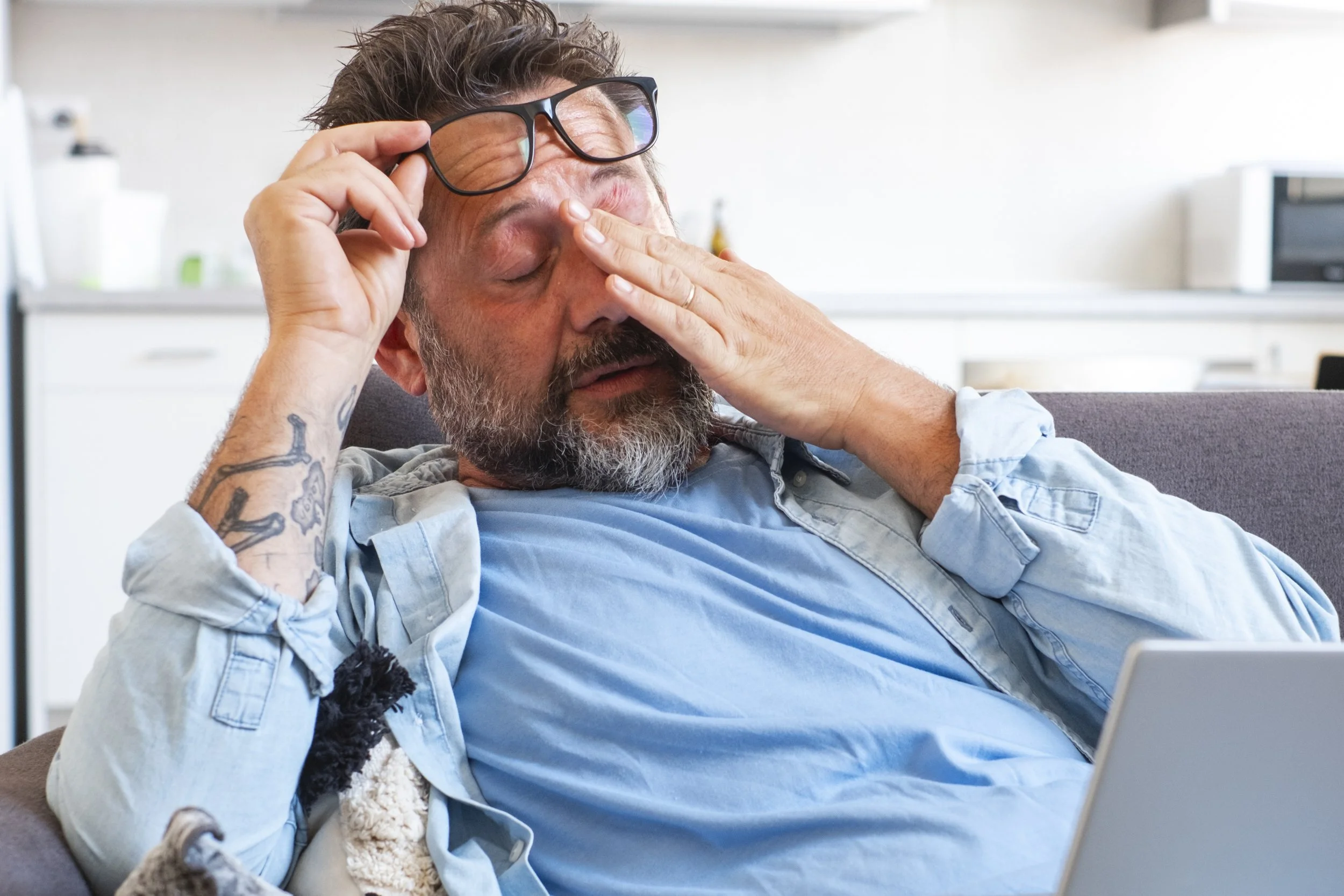
Feeling tired even after adequate sleep is another common complaint. Low testosterone can affect energy production and motivation, making daily tasks feel more exhausting than usual.
3. Loss of Muscle Mass and Increased Body Fat
Testosterone helps maintain lean muscle. When levels decline, muscle mass can shrink while body fat, especially around the abdomen, increases. This shift can occur even without major lifestyle changes.
4. Mood Changes and Irritability
Hormonal shifts directly impact brain chemistry. Men experiencing a hormone imbalance in men often report depression, irritability, difficulty concentrating, or a general sense of low motivation.
5. Hair Thinning or Hair Loss
Testosterone and its byproduct DHT are linked to hair growth patterns. Concerns about testosterone therapy and hair loss are common, especially among men already predisposed to male pattern baldness.
If several of these symptoms occur together, it may be time to look deeper rather than brushing them off as stress or aging.
Hormone Imbalance in Men and Overall Health
A hormone imbalance in men does not just affect sexual health. It can have systemic consequences. Research published by the National Institutes of Health highlights that low testosterone is associated with increased risk of osteoporosis, metabolic syndrome, and cardiovascular concerns.
Low levels may also contribute to insulin resistance and weight gain, which further lowers testosterone. This creates a cycle that is difficult to break without medical support.
Men who are overweight, living with type 2 diabetes, or under chronic stress are at higher risk for developing a hormone imbalance in men. That is why early testing and evaluation are critical.
When Should You Consider Hormone Therapy
Not every man with mild symptoms needs treatment. A proper diagnosis requires blood testing, usually done in the morning when testosterone levels are highest. Most guidelines recommend confirming low levels on at least two separate tests before starting therapy.
You should consider speaking to a healthcare provider if:
Symptoms are persistent and affecting quality of life
Blood tests confirm below normal testosterone levels
Lifestyle changes have not improved symptoms
Testosterone replacement therapy may be delivered through injections, gels, patches, or pellets. According to the American Urological Association, testosterone therapy can improve sexual function, increase bone density, enhance mood, and support muscle mass when appropriately prescribed.
Clinics like The Balanced Man focus on comprehensive evaluation, combining lab work, symptom review, and lifestyle assessment before recommending treatment. This personalized approach ensures therapy is not just about boosting numbers but restoring overall health.
Addressing Testosterone Therapy and Hair Loss Concerns
One of the most common questions men ask is about testosterone therapy and hair loss. The concern stems from the role of dihydrotestosterone, or DHT, a hormone derived from testosterone that contributes to male pattern baldness.
Research from the American Hair Loss Association explains that men genetically sensitive to DHT may experience accelerated hair thinning when hormone levels change. However, not every man on testosterone therapy will lose hair.
It is important to understand that testosterone therapy and hair loss are linked primarily in men who already have a genetic predisposition. Physicians can monitor DHT levels and discuss preventative strategies if needed.
If hair health is a priority, bring it up during consultation. A balanced provider will evaluate risks and benefits carefully before initiating treatment.
Benefits of Properly Managed Testosterone Therapy
When prescribed responsibly, testosterone therapy can significantly improve quality of life. Documented benefits include:
Increased libido and improved sexual performance
Enhanced muscle strength and physical endurance
Improved mood and mental clarity
Better bone density
Increased red blood cell production
The Endocrine Society provides clinical guidelines supporting therapy for men with confirmed deficiency and consistent symptoms.
Men who work with specialized providers such as The Balanced Man often receive ongoing monitoring, ensuring hormone levels remain within a healthy range. This reduces risks and maximizes benefits.
Lifestyle Changes That Support Hormonal Health
Before or alongside medical therapy, lifestyle changes can help optimize testosterone levels naturally.
Strength Training
Resistance training has been shown to stimulate testosterone production.
Weight Management
Reducing excess body fat helps decrease estrogen conversion and improves hormonal balance, especially in cases of hormone imbalance in men.
Quality Sleep
Poor sleep lowers testosterone production. Aim for 7 to 9 hours per night.
Stress Reduction
Chronic stress elevates cortisol, which can suppress testosterone and worsen low testosterone symptoms.
While these changes can improve mild cases, they may not be enough if levels are clinically low.
Final Thoughts
Ignoring low testosterone symptoms can lead to long term health consequences that extend beyond fatigue or reduced libido. From muscle loss to mood changes, the effects of a hormone imbalance in men can quietly erode confidence and vitality.
If symptoms persist and blood tests confirm low levels, hormone therapy may offer a path back to balance. Concerns such as testosterone therapy and hair loss should be discussed openly with a qualified provider who understands both the benefits and the risks.
Clinics like The Balanced Man emphasize personalized care, helping men regain strength, clarity, and confidence through evidence based treatment plans.
If you suspect your symptoms are more than just aging, scheduling a professional evaluation could be the turning point toward better health.