TRT vs Natural Testosterone Boosters: What Really Works for Men Over 30
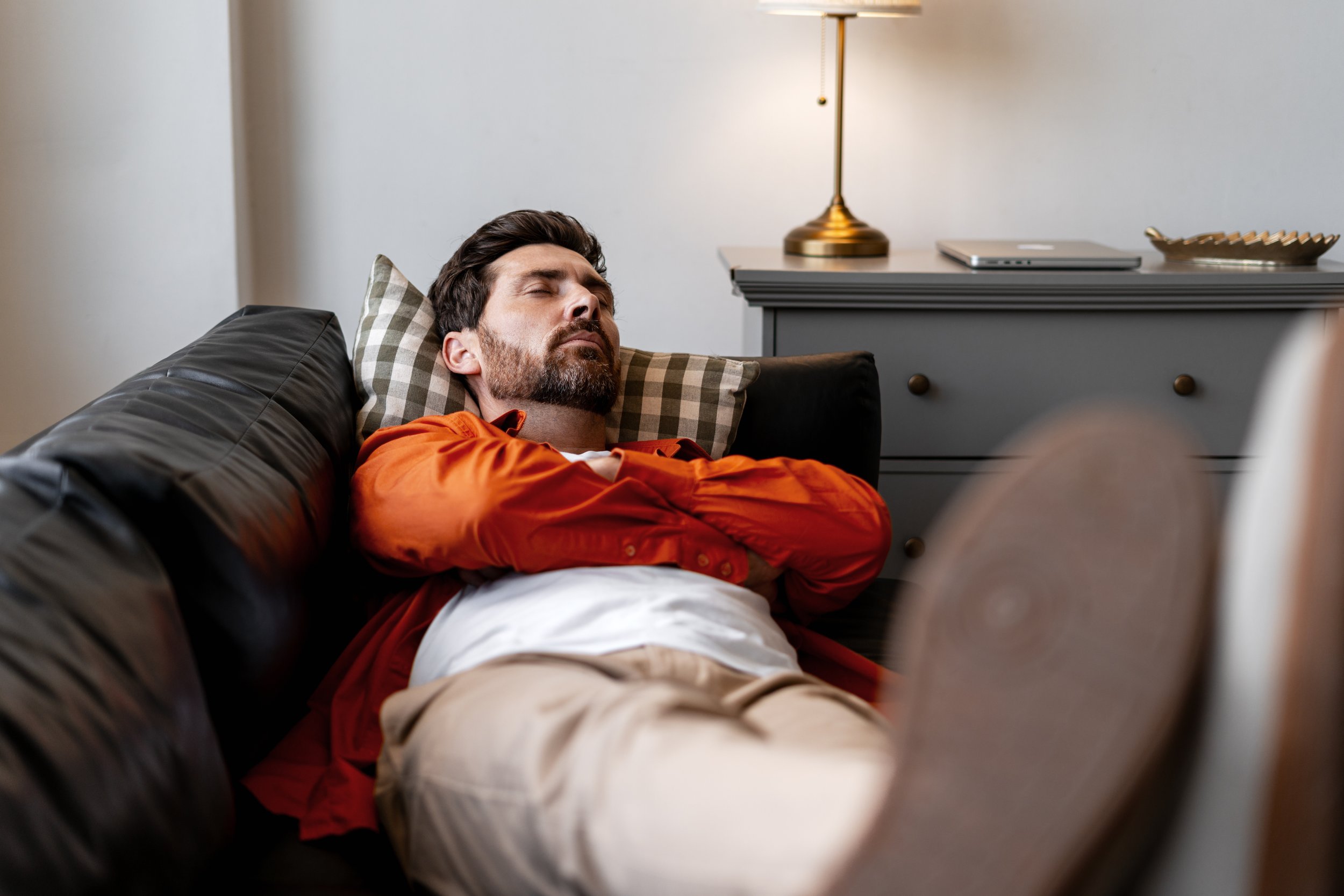
If you’ve hit your 30s and suddenly feel a little less like the man you used to be, lower energy, weaker workouts, less drive, slower recovery, you’re not alone. Testosterone naturally declines about 1% per year starting at age 30.
And when that dip becomes noticeable, many men start searching for answers:
Should I take natural testosterone boosters? Or is TRT (Testosterone Replacement Therapy) the real solution?
This blog breaks down everything step-by-step guides, comparisons, myths, expert tips, and practical advice, so you can make a confident, informed decision.
Let’s dive deep into what actually works.
How to Know if You Really Need a Testosterone Boost
Track Your Symptoms
Testosterone decline shows up differently for every man, but the warning signs are often subtle at first. Over time, they build up until they directly affect your daily performance, mood, and confidence. Pay close attention to these common low-T symptoms, not just individually, but how they combine and interfere with your quality of life.
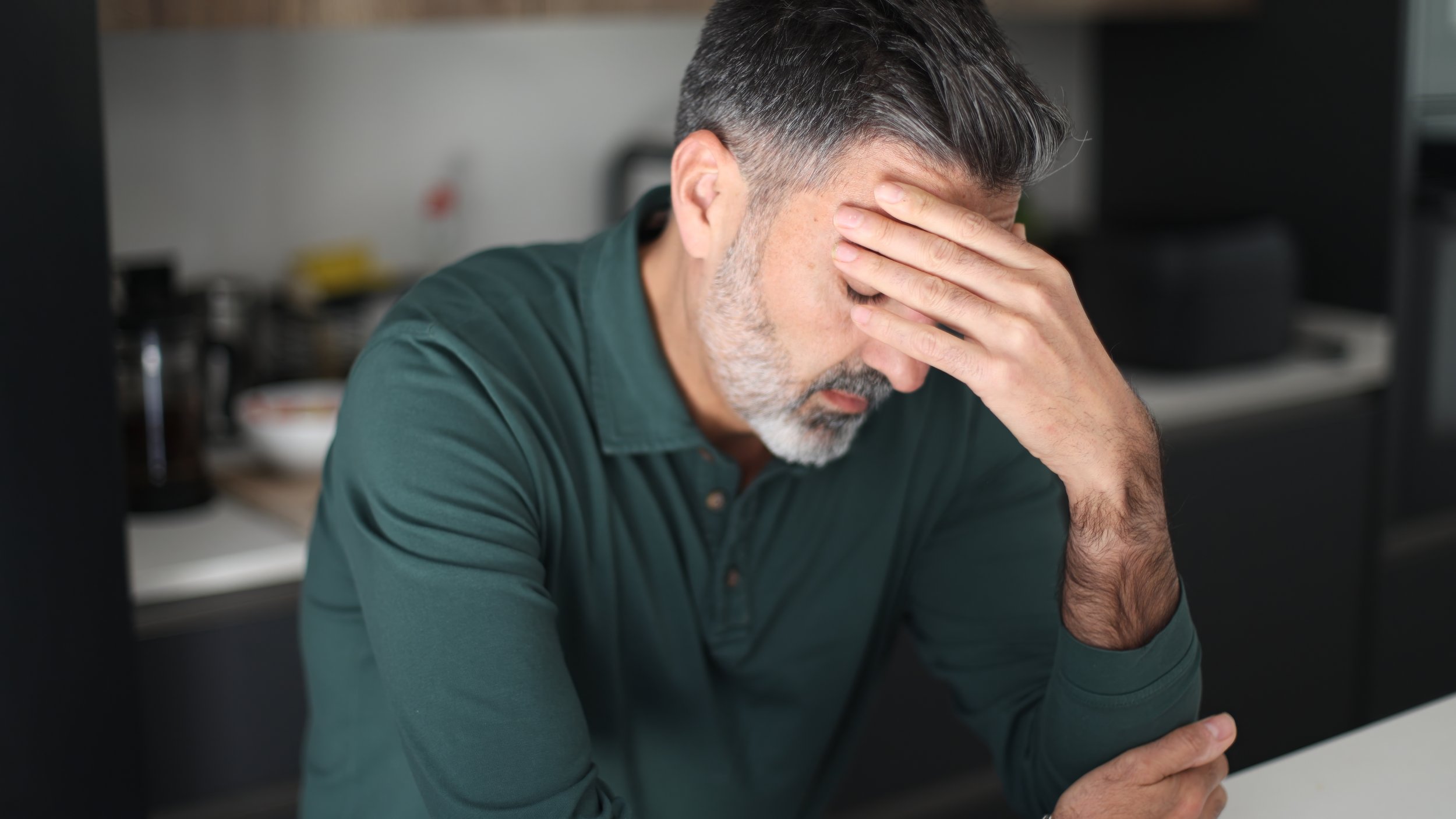
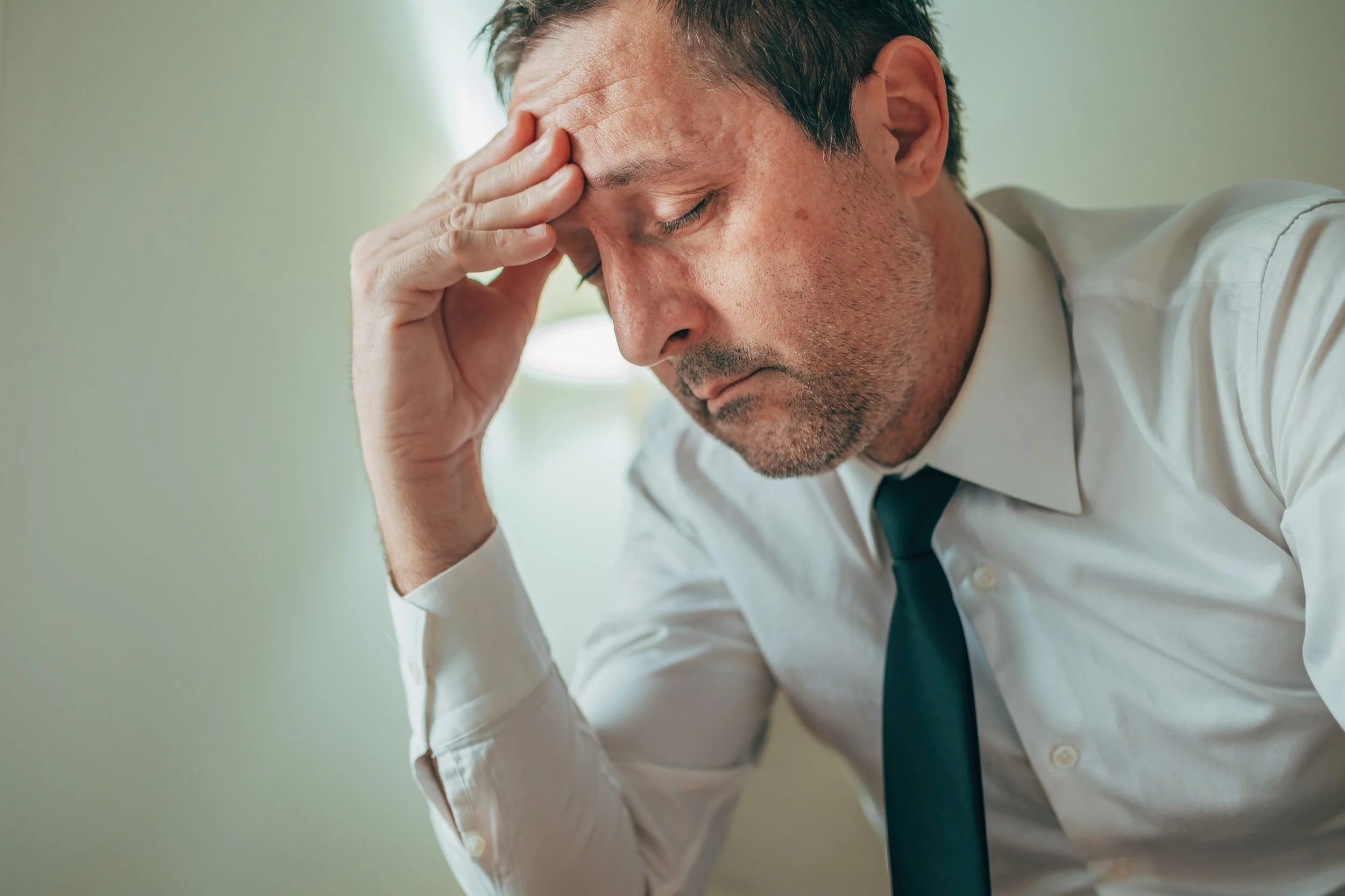
Low energy or constant fatigue
This isn’t the normal “I stayed up late” kind of tired.
Men with low testosterone often describe:
Feeling drained even after a full night’s rest
Afternoon crashes becoming the norm
Needing caffeine just to function
Reduced stamina during everyday activities
It’s a deep, persistent fatigue that feels like your “battery” never fully charges.
Reduced libido
A declining sex drive is one of the most noticeable effects of low-T. It may show up as:
Less interest in intimacy
Less frequent sexual thoughts
Difficulty sustaining desire
Feeling disconnected from your partner
Even when emotional connection is strong, hormonal decline can blunt your natural drive.
Weight gain (especially belly fat)
This is a major red flag. Low testosterone alters metabolism, leading to:
Increased fat around the midsection
Difficulty losing weight despite diet and exercise
A softer or “puffy” appearance
Reduced muscle definition
Hormones control how your body uses and stores fat, so when levels drop, fat storage becomes much easier.
Muscle loss
You might notice:
Reduced strength, even with regular training
Slower muscle recovery
Shrinking muscle mass or “flattened” appearance
More soreness after workouts
Testosterone is a key driver of protein synthesis. Low levels make it harder to build or maintain muscle, no matter how disciplined you are.
Declining performance in the gym or sports
This is where many men first realize something is off. Symptoms include:
Lifting lighter weights than before
Lower endurance during sports or cardio
Longer recovery times
More injuries or joint discomfort
Workouts feeling “harder” than they used to
It’s not a motivation problem, it’s biochemical.
Mood swings or irritability
Hormones influence emotional stability. Men with low-T commonly experience:
Short temper over small issues
Reduced patience
Unexplained sadness or flat mood
Low motivation or mental drive
Feeling disconnected or “not like yourself”
These emotional changes can strain work performance, relationships, and self-confidence.
Brain fog
Low testosterone affects cognitive clarity. You may feel:
Difficulty focusing or completing tasks
Forgetfulness
Slower mental processing
Trouble staying alert
A general sense of mental “heaviness”
Many men describe it as feeling like their mind is operating at 70% capacity
Get a Hormonal Blood Panel
Ask for:
Total Testosterone
Free Testosterone
SHBG
Estradiol
Thyroid panel
Vitamin D
Pro tip: Low testosterone alone doesn’t confirm low-T. You must look at the full hormonal picture.
Identify Lifestyle Factors
Before assuming your T is the problem, evaluate:
Sleep quality
Stress levels
Diet / alcohol
Training intensity
Body fat percentage
Compare Options: Natural Boosters vs TRT
Now that you know the problem… we’ll help you choose the real solution.
RESOURCE LIST:
The Top Testosterone-Boosting Strategies (Ranked From Best to Worst)
1. Testosterone Replacement Therapy (TRT)
Effectiveness: Clinically proven
Time to see results: 2–6 weeks
Pros: Significant improvement in mood, libido, muscle mass, fat loss
Cons: Requires medical supervision
2. Strength Training & Sleep Optimization
Effectiveness: Natural booster
Impact: Moderate improvement
3. Natural Supplements (Zinc, Ashwagandha, Tribulus, etc.)
Effectiveness: Minimal for real hormone changes
Best for: Stress reduction, overall wellness
4. Over-the-Counter “Testosterone Boosters”
Effectiveness: Mostly marketing
Warning: No clinical basis for raising testosterone significantly
Conclusion:
Natural methods help support a healthy lifestyle…
But TRT is the ONLY proven medical approach that restores testosterone to optimal levels.
PROBLEM–SOLUTION:
Top Problems Men Over 30 Face and Why Natural Boosters Fail to Fix Them
Problem 1: Chronic Stress & Cortisol Elevation
Natural boosters often claim to fix this, but rarely do.
Solution:
TRT improves mood-regulating hormones and balances cortisol responses.
Problem 2: Age-Related Hormonal Decline
No supplement can override biological aging.
Solution:
TRT directly replaces what your body no longer produces.
Problem 3: Metabolism Slowing Down
Low testosterone slows fat loss and reduces muscle retention.
Solution:
TRT restores metabolic efficiency and increases lean mass naturally.
Case Study: How Mark (41) Went From “Dragging Through Life” to “Recharged” With TRT
Mark, a 41-year-old father, tried every natural booster on the market.
He spent:
6 months on ZMA
4 months on Tongkat Ali
1 year in the gym
$500+ on supplements
Results?
Minimal.
After finally getting a hormonal blood test, his testosterone was at 327 ng/dL, which is borderline low.
He started TRT.
In 8 weeks:
Energy increased
Belly fat reduced
Workouts felt powerful again
Improved mood and confidence
Stronger sex drive
Mark’s words:
“I didn’t feel like a new man. I felt like myself again.”
Why Most Natural Testosterone Boosters Are Overrated
Here’s the truth wellness influencers won’t tell you:
Supplements are not powerful enough to overcome genuine hormonal decline.
Most “testosterone boosters”:
Don’t increase testosterone
Only reduce stress or improve sleep
Have zero clinical evidence
Are marketed heavily because they’re profitable
TRT, on the other hand, is medically supervised and scientifically proven.
The Ultimate Beginner’s Guide to Testosterone for Men Over 30
What Is Testosterone?
Your primary male hormone responsible for:
Strength
Mood
Sex drive
Energy
Cognitive sharpness
Why It Declines
Aging
Stress
Poor sleep
Sedentary lifestyle
Excess body fat
Hormonal imbalances
Signs of Low Testosterone
Emotional flatness
Persistent tiredness
Reduced performance
Increased fat storage
This guide remains relevant year after year because every man eventually faces hormonal decline.
A Relatable Story: “I Thought I Was Just Getting Old”
Many men think low-T symptoms are “normal aging.”
John, 36, said:
“I blamed stress, work, and fatherhood for how terrible I felt.”
But after checking his testosterone, it was 298 ng/dL.
He didn’t need motivation.
He didn’t need supplements.
He didn’t need a new workout program.
He needed medical support.
TRT gave him clarity, strength, confidence, and vitality back.
What Research Shows
TRT
Increases muscle mass by 10–20% over time
Reduces fat mass by 6–15%
Improves libido in 70–90% of men
Enhances mood and cognitive performance
Increases red blood cell production (healthy when monitored)
Natural Boosters
Studies show natural supplements increase testosterone by 0–7%, which is too small to change symptoms.
Quick Quiz: Which Testosterone Strategy Is Best for You?
Choose one:
I want fast, clinical results
I want a slight natural improvement
I want long-term hormonal optimization
I want to fix fatigue, low libido, and performance decline
If you answered 1, 3, or 4 TRT is the most effective route.
If you answered 2 lifestyle optimization may be enough.
What Really Works?
For men over 30 dealing with genuine hormonal decline, TRT is the gold standard.
Natural boosters can support wellness but they cannot restore testosterone to youthful, optimal levels.
If you’re experiencing the symptoms, the most powerful next step is simple:
Get your hormone levels tested and speak with a professional.
The Balanced Man is here to help men make informed, confident, life-changing decisions about their health.