How Hormone Therapy Helps Men Transform Their Physique
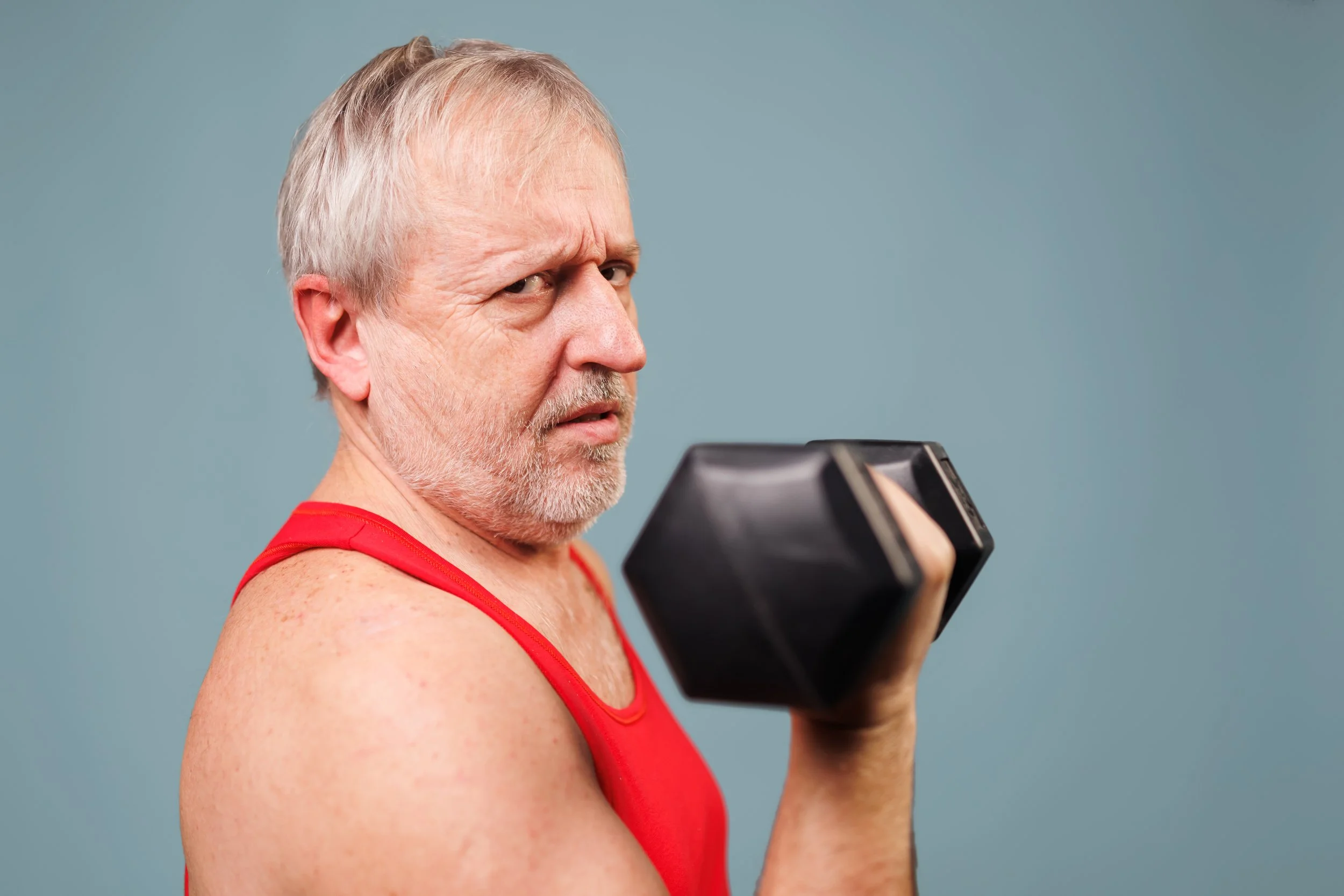
Modern life is demanding. Long work hours, chronic stress, poor sleep, and inconsistent exercise gradually take a toll on men’s health often without them noticing until their body no longer responds the way it used to. The result? The familiar “dad bod,” stubborn fat, declining energy, and workouts that no longer deliver results.
While diet and exercise remain essential, many men are discovering that hormone balance plays a critical role in physical transformation. When addressed correctly, hormone therapy can help men reclaim strength, vitality, and confidence without shortcuts or unrealistic promises.
This guide explores how hormone therapy supports physique transformation, who it’s for, and how men of all ages can rebuild a stronger body with a smart, sustainable approach.
Understanding the “Dad Bod”: Why It Happens
The Real Causes Go Beyond Calories
Weight gain and muscle loss aren’t simply the result of eating too much or training too little. While nutrition and exercise matter, they are only part of the equation. As men age, hormone levels, especially testosterone, naturally begin to decline. This hormonal shift changes how the body regulates fat storage, supports muscle growth, and recovers from physical stress.
Lower testosterone levels can slow metabolism, reduce muscle protein synthesis, and increase fat accumulation, particularly around the midsection. At the same time, recovery from workouts becomes less efficient, making it harder to maintain strength and consistency. Over time, these changes can lead to frustration, even for men who stay active and mindful of their diet.
Common contributing factors include:
Chronic stress and elevated cortisol
Ongoing stress increases cortisol levels, which can interfere with testosterone production and promote fat storage, particularly around the abdomen. Over time, high cortisol also breaks down muscle tissue and slows recovery, making physical progress more difficult.Poor sleep quality
Sleep is essential for hormone regulation and muscle repair. Consistently poor or inadequate sleep reduces testosterone production, impairs recovery, and lowers energy levels, which can negatively impact both training performance and body composition.Sedentary work environments
Long hours of sitting reduce overall calorie expenditure and limit muscle engagement throughout the day. A sedentary lifestyle can also decrease insulin sensitivity and circulation, contributing to fat gain and reduced physical resilience.Inconsistent strength training
Irregular resistance training fails to provide the consistent stimulus needed for muscle growth and metabolic health. Without progressive strength training, muscle mass declines more easily, especially as hormone levels change with age.Nutrient deficiencies
Key nutrients such as protein, vitamin D, zinc, and magnesium play important roles in muscle function and hormone production. Deficiencies can impair energy levels, slow recovery, and limit the body’s ability to maintain lean muscle mass.Age-related hormonal changes
As men age, natural declines in testosterone and other hormones affect metabolism, muscle maintenance, and fat distribution. These changes occur gradually but can significantly influence physique and performance if not properly addressed.
Over time, these factors combine, making it harder to stay lean and strong even with effort.
The Hormone Body Connection Explained Simply
How Hormones Influence Physique
Hormones act as chemical messengers that regulate how the body functions on a daily basis. When hormone levels are optimized, multiple systems work together more efficiently to support strength, energy, and physical performance.
Burning fat
Balanced hormones improve metabolic efficiency, allowing the body to use stored fat as fuel more effectively. This helps reduce stubborn fat, particularly in areas like the abdomen where hormonal imbalance often has the greatest impact.Building and maintaining muscle
Hormones such as testosterone play a key role in muscle protein synthesis, which is essential for building and preserving lean muscle mass. When levels are optimized, strength training becomes more effective and muscle loss is less likely with age.Producing energy
Hormones influence how the body converts nutrients into usable energy. Proper balance supports steady energy levels throughout the day, reducing fatigue and improving overall physical endurance.Recovering from exercise
Recovery depends on the body’s ability to repair muscle tissue and manage inflammation. Optimized hormones enhance recovery speed, allowing men to train more consistently without excessive soreness or burnout.Maintaining motivation and drive
Hormones affect mood, focus, and mental resilience. Balanced levels support motivation and confidence, making it easier to stay committed to fitness and lifestyle goals.
When Hormones Are Out of Balance
When hormone levels are disrupted, the body becomes less efficient at maintaining strength, energy, and body composition. These imbalances can impact both physical performance and mental well-being.
Loss of muscle mass
Low hormone levels reduce the body’s ability to preserve lean muscle tissue. Over time, this leads to decreased strength and a slower metabolism.Increased abdominal fat
Hormonal imbalance encourages fat storage, especially around the midsection. This type of fat is often resistant to diet and exercise alone.Reduced endurance
Imbalanced hormones can impair oxygen utilization and energy production. As a result, physical stamina and workout performance may decline.Slower recovery
The body takes longer to repair muscle tissue and manage inflammation when hormones are not optimized. This can lead to prolonged soreness and reduced training consistency.Lower confidence and motivation
Hormonal changes can affect mood, mental clarity, and emotional resilience. Men may experience reduced confidence, motivation, and overall sense of well-being.
This is where medically supervised hormone therapy can play a supportive role.
How Hormone Therapy Supports Physical Transformation
Comprehensive Assessment
The process begins with detailed lab testing not guesswork. This includes evaluating:
Testosterone levels
Other key hormones
Metabolic markers
Lifestyle and health history
This ensures therapy is personalized and appropriate.
Individualized Treatment Plan
Hormone therapy is never one-size-fits-all and should always be tailored to the individual. A customized plan takes into account age, symptoms, overall health, lifestyle, fitness level, and long-term goals. This personalized approach ensures that treatment supports the body safely and effectively, aligning medical care with sustainable physical and lifestyle improvements rather than short-term fixes.
Supporting Lifestyle Alignment
Hormone therapy works best when paired with:
Structured resistance training
Balanced nutrition
Adequate sleep
Stress management
This combination creates an internal environment where transformation becomes achievable.
Ongoing Monitoring and Adjustments
Regular follow-ups are an essential part of hormone therapy to ensure both safety and effectiveness over time. Ongoing monitoring allows providers to evaluate progress, adjust treatment as needed, and ensure hormone levels remain within optimal ranges. This continuous oversight supports long-term results while minimizing risks and adapting care as the body and lifestyle evolve.
Common Physical Benefits Men Report
1. Improved Muscle Strength and Definition
Balanced hormones enhance protein synthesis, making strength training more effective and helping men regain muscle tone.
2. Reduced Stubborn Fat
Optimized hormones improve metabolic efficiency, particularly in reducing abdominal fat that resists diet alone.
3. Better Workout Recovery
Men often notice faster recovery times, reduced soreness, and greater consistency in training.
4. Increased Energy and Motivation
Energy levels improve, making it easier to stay active and committed to fitness routines.
Top Challenges Men Face and How Hormone Therapy Helps
Challenge 1: “I train hard, but nothing changes.”
Many men maintain consistent workout routines yet see little to no improvement in strength or body composition. Hormone optimization helps the body respond more effectively to training by supporting muscle repair, protein synthesis, and recovery, allowing physical effort to translate into visible results.
Challenge 2: “Fat won’t budge no matter what I do.”
Stubborn fat, particularly around the abdomen, is often influenced by hormonal imbalance rather than calorie intake alone. Balanced hormones improve fat metabolism and insulin sensitivity, helping the body utilize stored fat more efficiently when combined with proper nutrition and exercise.
Challenge 3: “I feel tired and unmotivated.”
Persistent fatigue and lack of motivation can make it difficult to stay consistent with fitness and healthy habits. Restoring hormonal balance supports energy production, mental clarity, and mood, helping men feel more driven, focused, and engaged in daily activities.
Hormone Therapy vs. Old-School Fitness Approaches
For years, many men have relied on conventional fitness strategies that focus heavily on doing more cardio, fewer calories, and longer workouts. While these methods can produce short-term changes, they often lead to stalled progress, fatigue, and frustration, especially when hormonal balance is not addressed.
A more optimized approach focuses on working smarter rather than harder. Strength training combined with hormone support allows the body to build and maintain muscle more efficiently, while sustainable nutrition supports long-term energy and metabolic health instead of extreme restriction. Efficient recovery replaces overtraining, helping men stay consistent without burnout.
The result is a shift from constant frustration to measurable, sustainable progress. By addressing both physiology and lifestyle, men are better equipped to achieve strength, resilience, and lasting physical transformation.
Hormone therapy doesn’t replace fitness, it enhances the body’s ability to respond to it.
A Realistic Transformation Story
A 42-year-old professional struggled with weight gain, low energy, and declining performance in the gym. Despite consistent workouts, results stalled. After medical evaluation revealed hormonal imbalances, he began a supervised hormone optimization program alongside strength training.
Within months, he reported:
Increased muscle definition
Reduced waist circumference
Improved stamina
Renewed confidence
The key wasn’t shortcuts, it was addressing the underlying physiological barrier.
Who Can Benefit from Hormone Optimization?
Hormone optimization may be beneficial for men who notice changes in their physical performance, energy, or body composition that do not improve despite consistent effort. While individual needs vary, certain patterns commonly indicate when hormonal support may be worth exploring.
Men who feel physically “stuck” despite effort
Some men train regularly and follow a balanced diet yet see little progress. This plateau can be a sign that hormonal imbalance is limiting the body’s ability to respond to exercise and nutrition.
Men experiencing declining strength or endurance
Gradual loss of strength, stamina, or workout performance can occur as hormone levels change over time. Optimizing hormones may help restore physical capacity and improve training consistency.
Men who struggle with energy or recovery
Persistent fatigue and prolonged muscle soreness can interfere with both fitness and daily life. Hormone optimization supports energy production and recovery, helping the body adapt better to physical stress.
Men focused on long-term health and body composition
Beyond appearance, hormone balance plays a role in metabolic health, muscle preservation, and overall vitality. Many men pursue hormone optimization as part of a proactive approach to maintaining strength and wellness as they age.
A proper medical evaluation is always the first step, ensuring that any treatment plan is appropriate, safe, and tailored to individual health needs.
Practical Tips for Maximizing Results
Prioritize compound strength movements
Focus on protein intake
Sleep 7–9 hours consistently
Manage stress proactively
Stay consistent rather than extreme
These habits amplify the effects of optimized hormones.
The Future of Men’s Fitness and Health
Men’s health is shifting from reactive care to proactive optimization. The future isn’t about pushing harder, it's about working smarter by understanding how the body truly functions. Hormone therapy, when done responsibly, is becoming a cornerstone of modern men’s wellness.
Strength Is a Long-Term Investment
Transforming from a “dad bod” to a stronger, healthier physique isn’t about chasing perfection or quick fixes, it's about restoring balance and building sustainable habits that support long-term results. True transformation happens when hormones, training, nutrition, and recovery all work together, allowing the body to function optimally and respond effectively to effort.
This alignment not only improves physical performance and body composition but also enhances energy, confidence, and overall quality of life. At The Balanced Man, the focus is on helping men achieve lasting health, strength, and resilience, empowering them to maintain peak performance at every stage of life without shortcuts, extreme measures, or temporary solutions.